
Mongolia
How much certainty do you actually need?
A Country Built for Movement
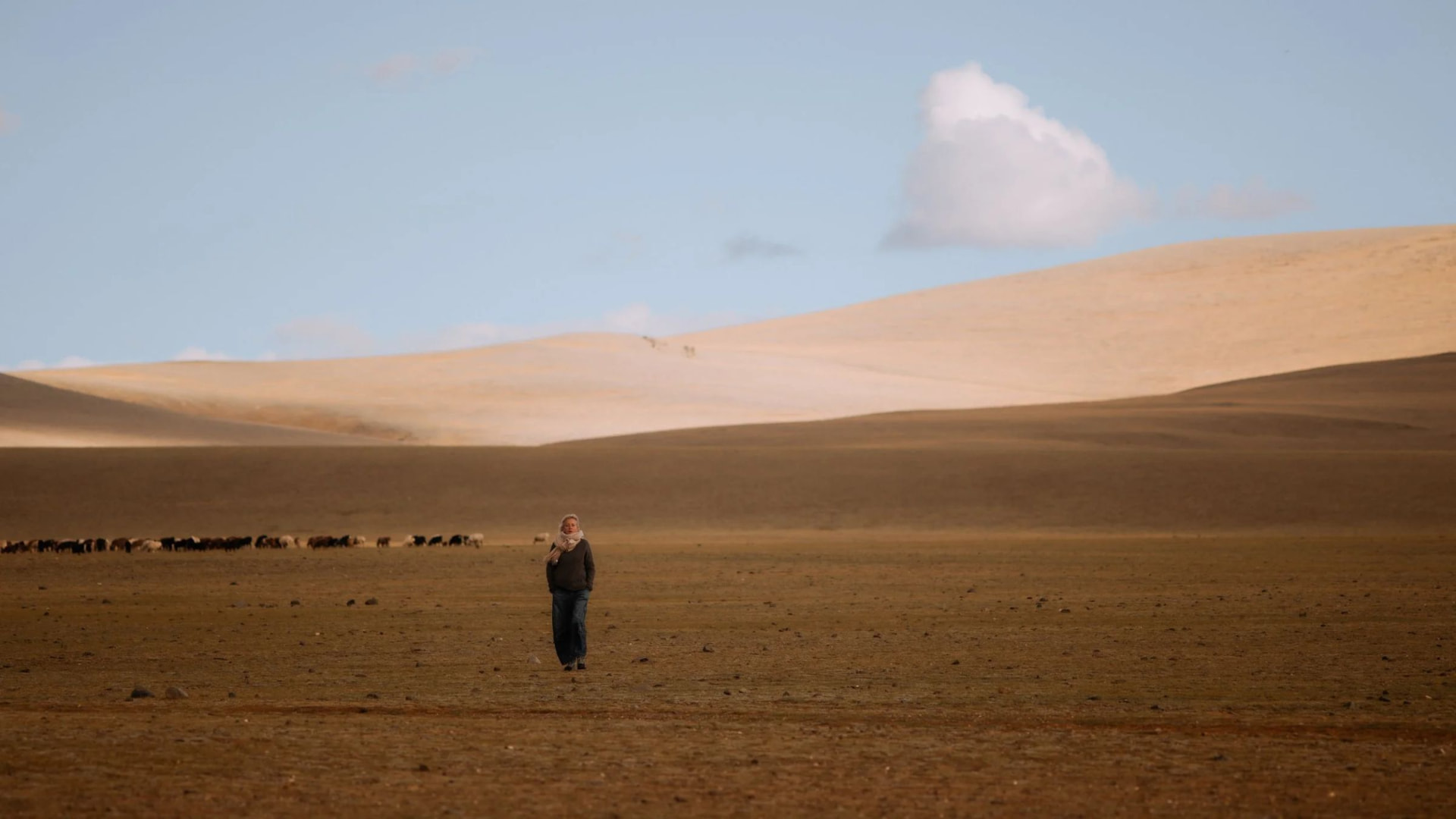
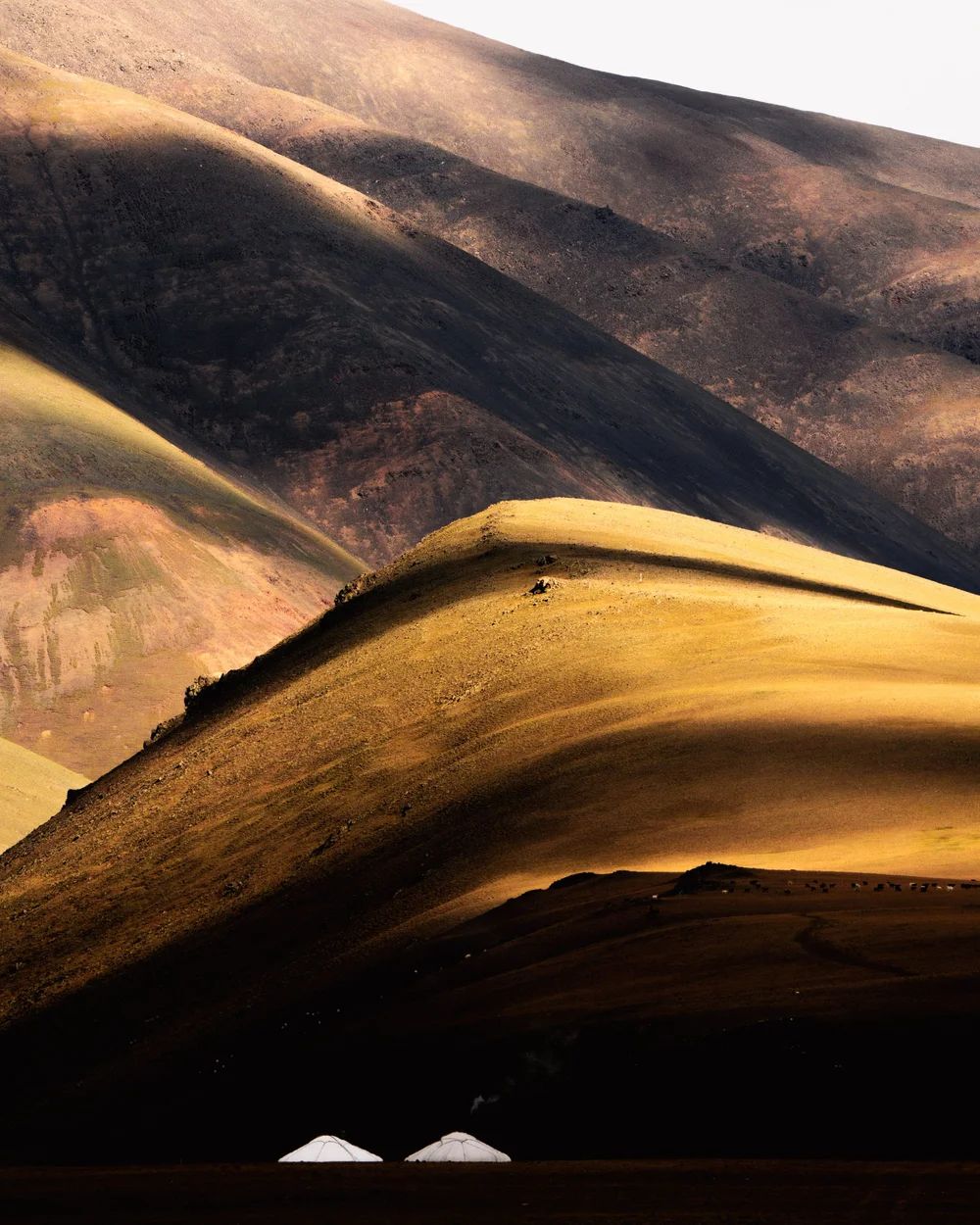
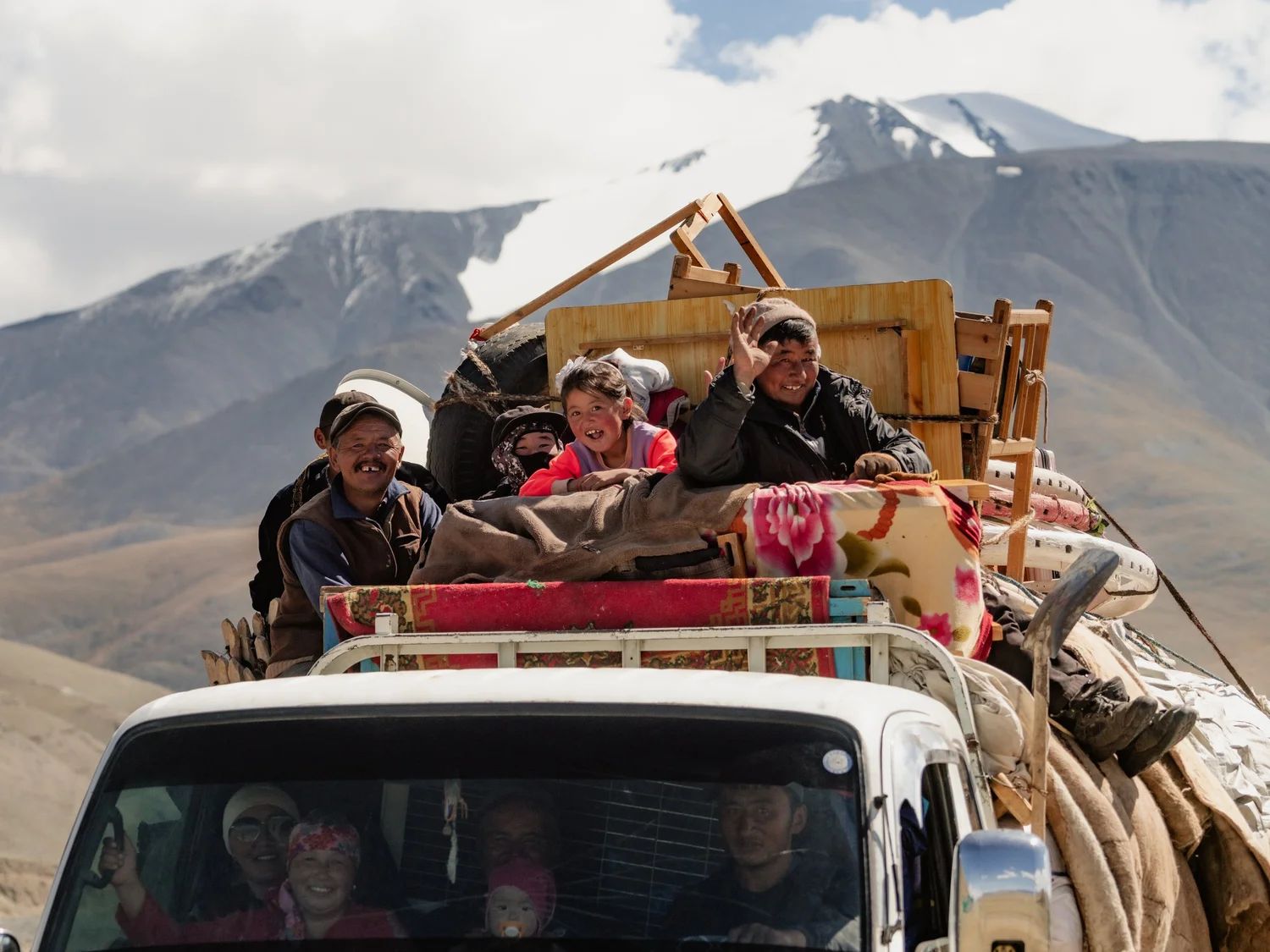
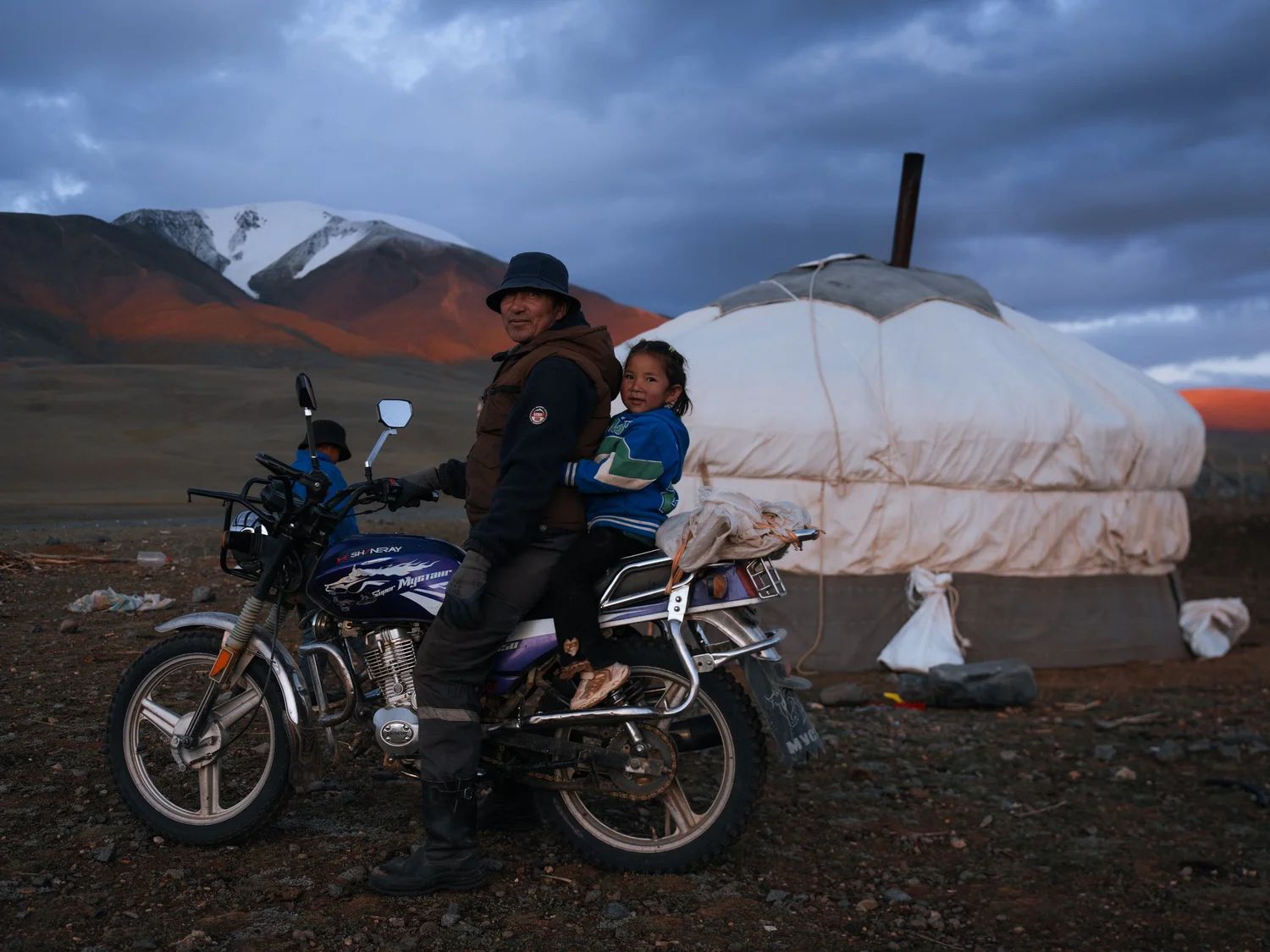
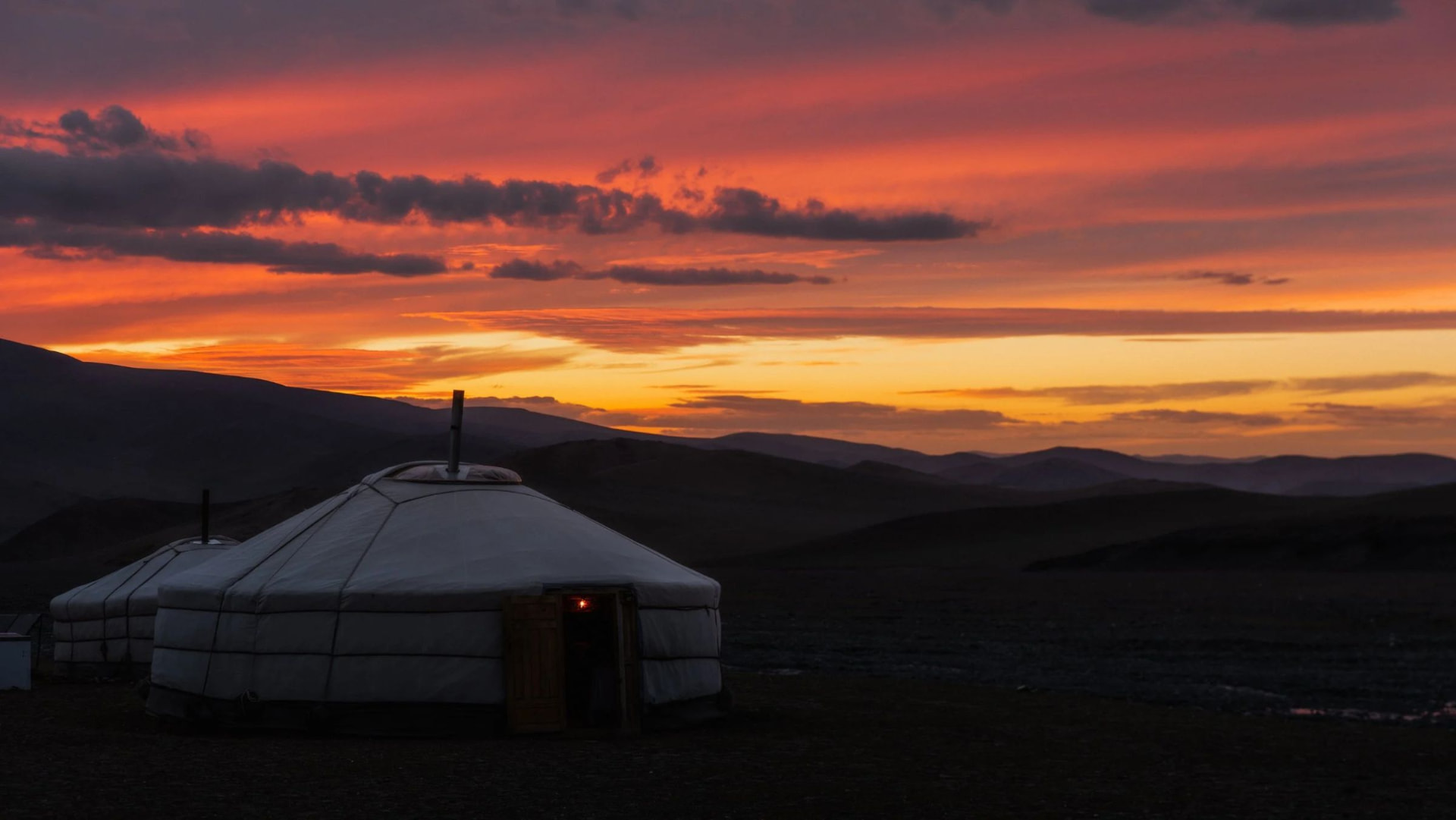
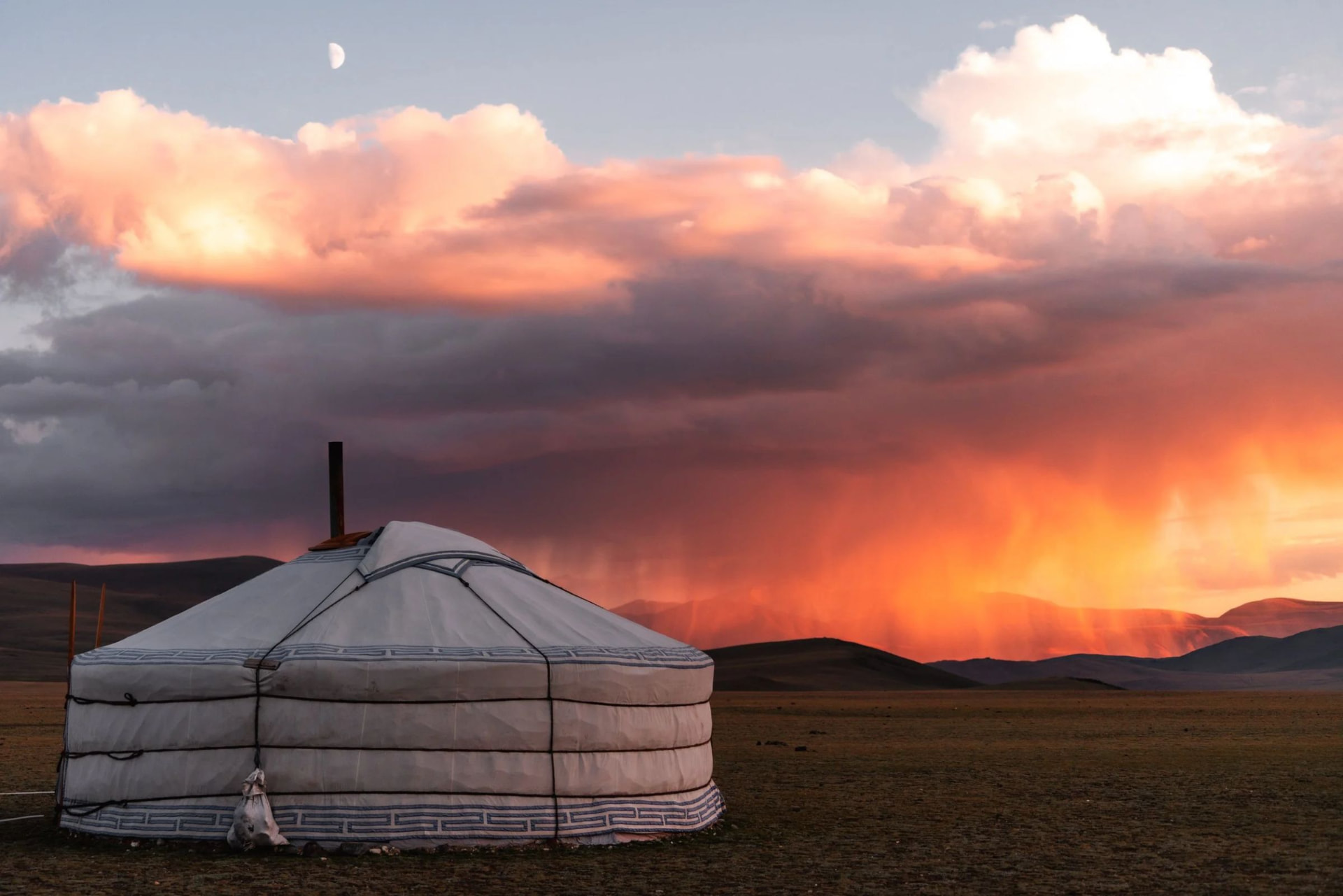
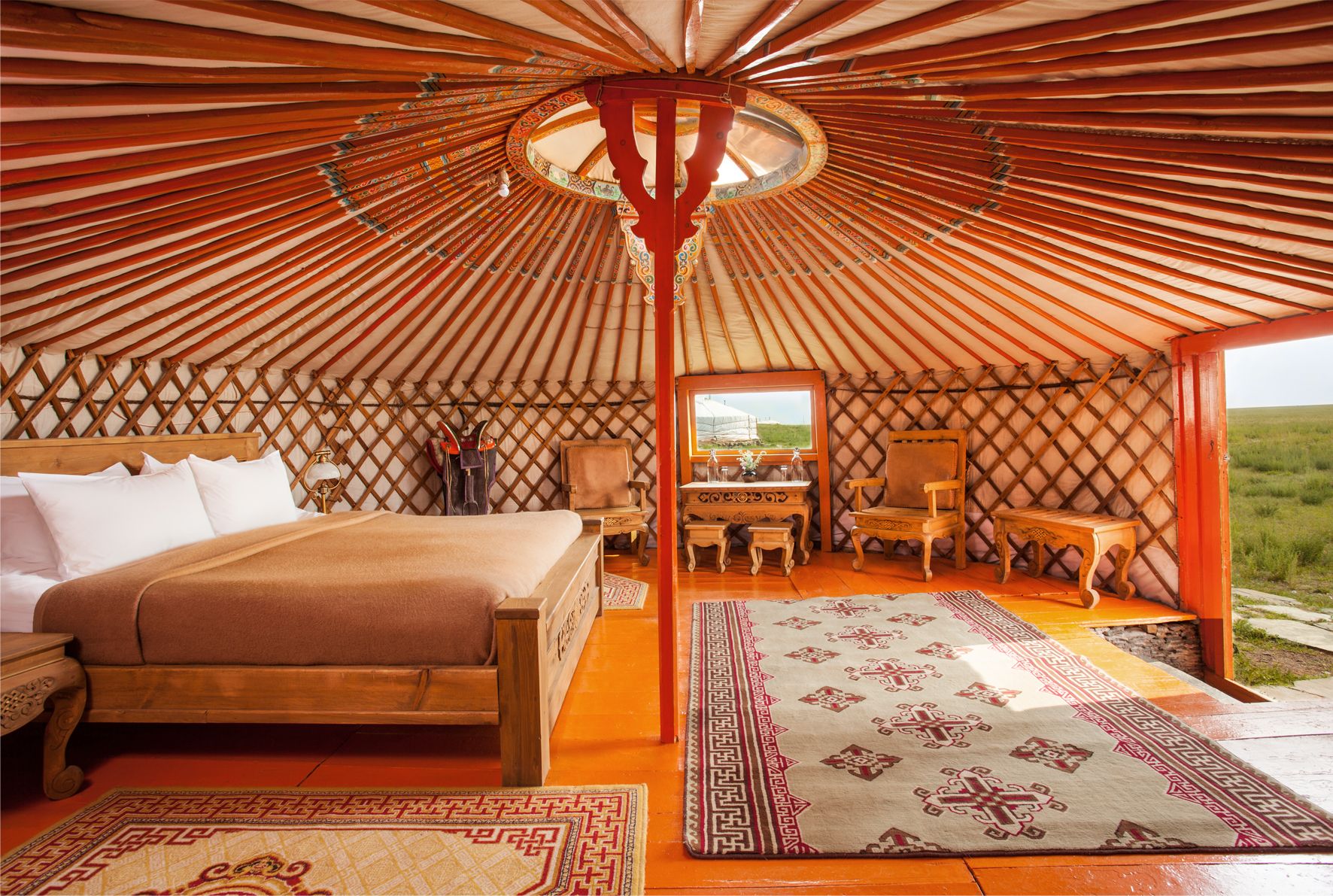
Mongolia lies between Russia and China, a country of steppe, mountain and desert, with more horses than people. For thousands of years, much of life here has been organized around movement: herds, seasons, water and weather. The ger, the round felt home of the steppe, can be taken down, packed up and raised again somewhere new.
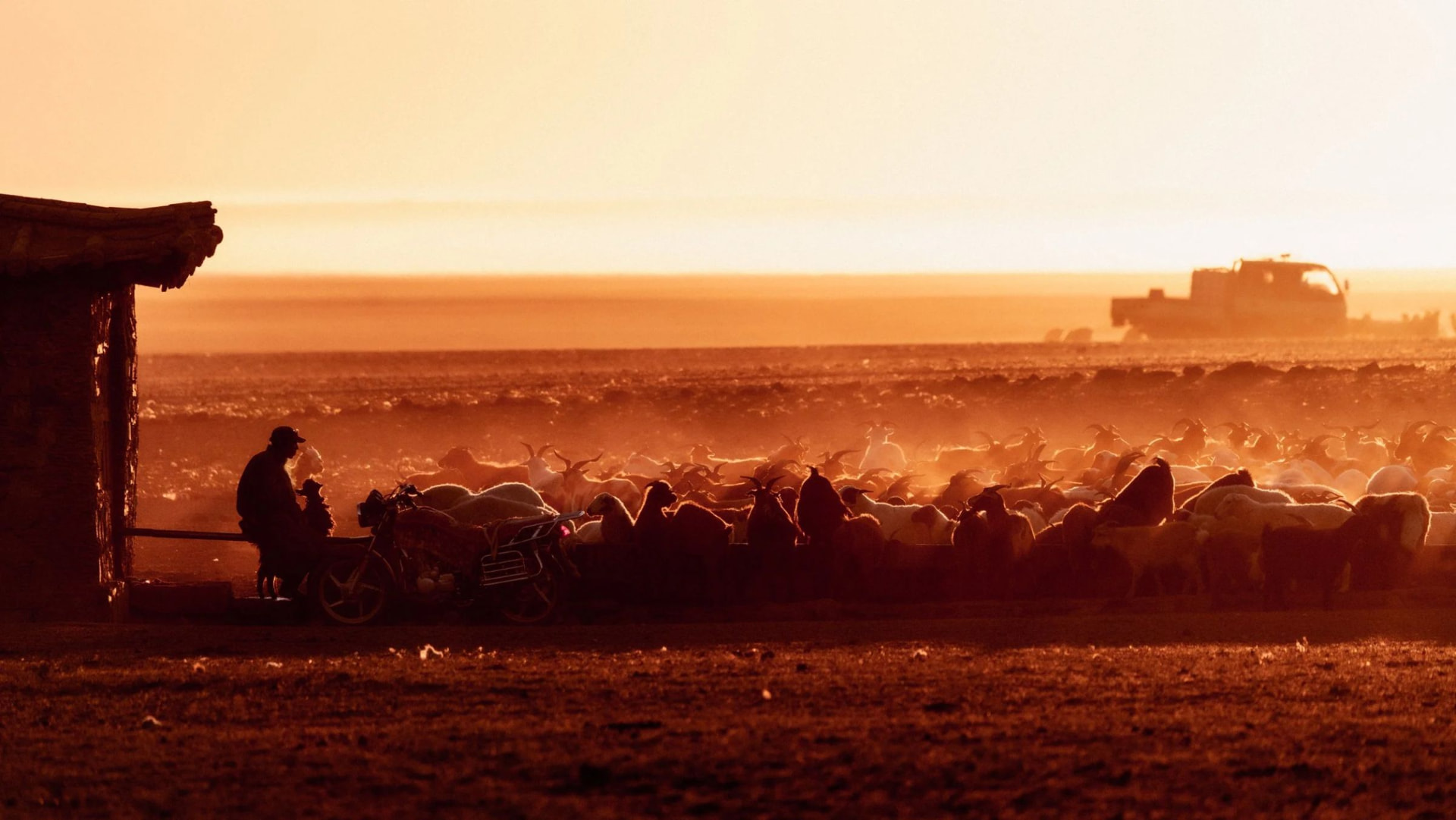
That way of life still runs alongside a modern capital. Ulaanbaatar has glass towers and traffic, and a few hours away families still move their herds with the seasons. Here, resilience isn't a leadership concept. It's how you get through the winter.
What can people who move their home with the seasons teach you about living with uncertainty?
The Door
Abroad's work in Mongolia rests on people who have spent their lives here: a Kazakh eagle-hunting family in the Altai, Mongolian spiritual teachers, local historians and guides, and the on-the-ground experts who make remote Mongolia possible to travel well.
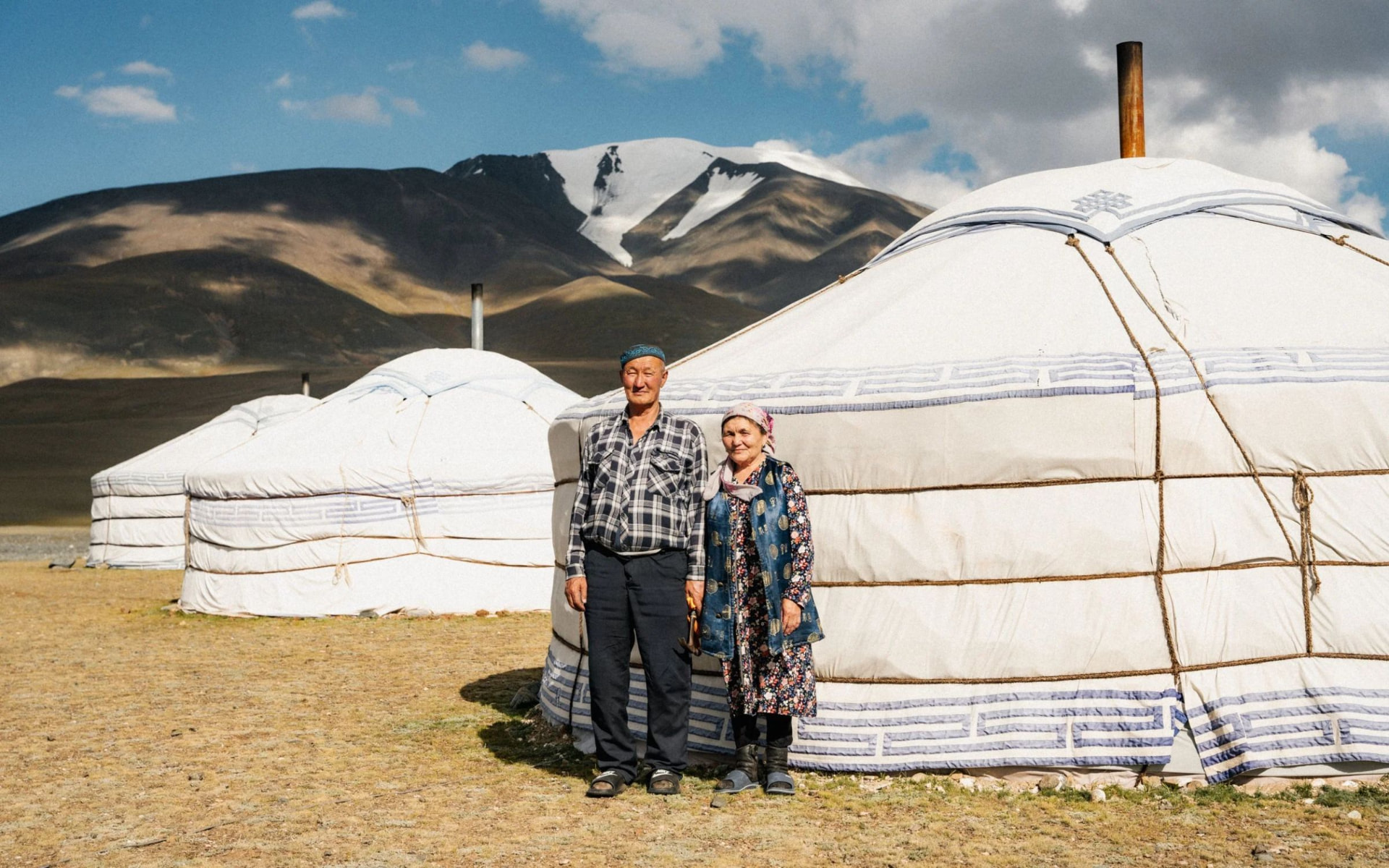
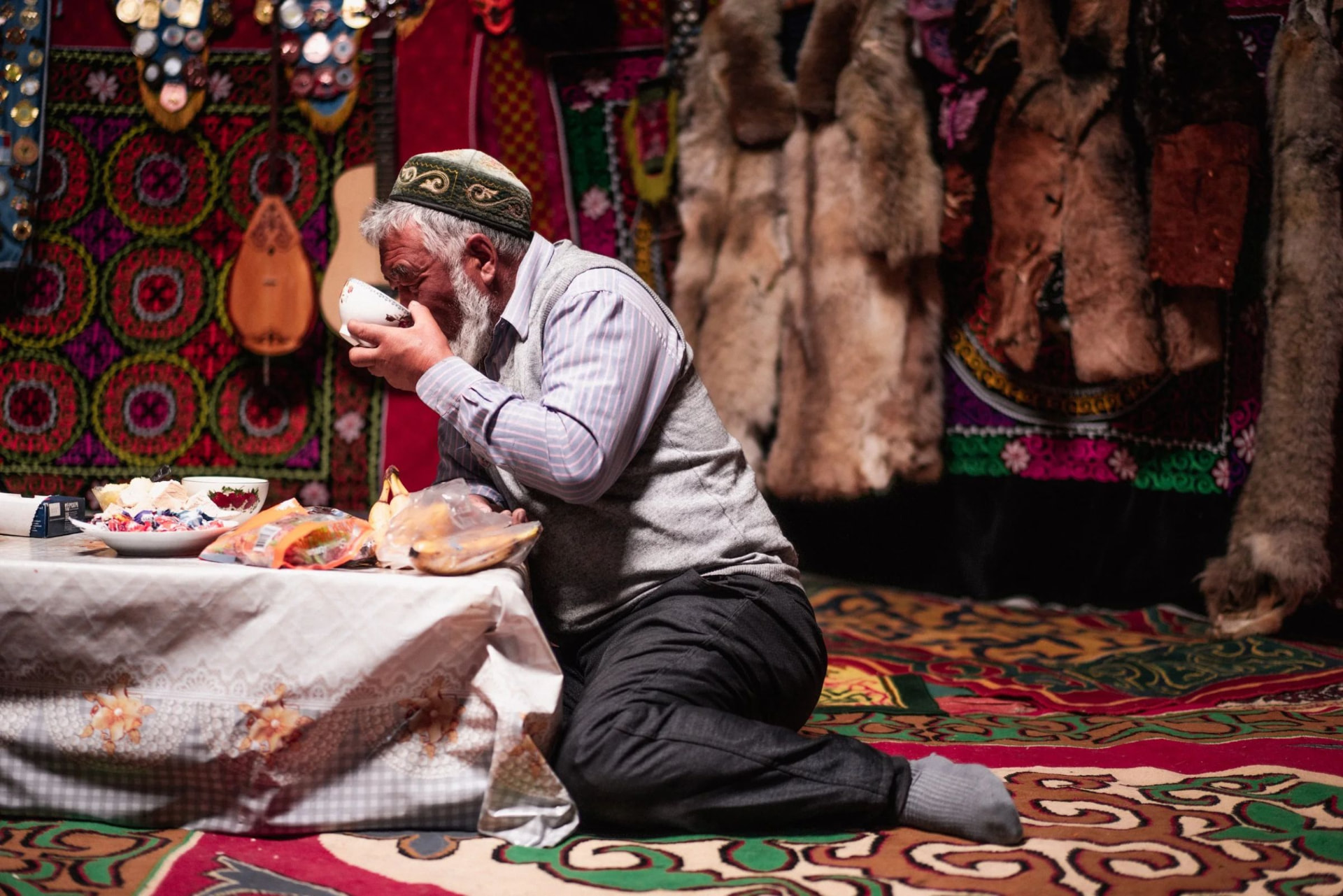
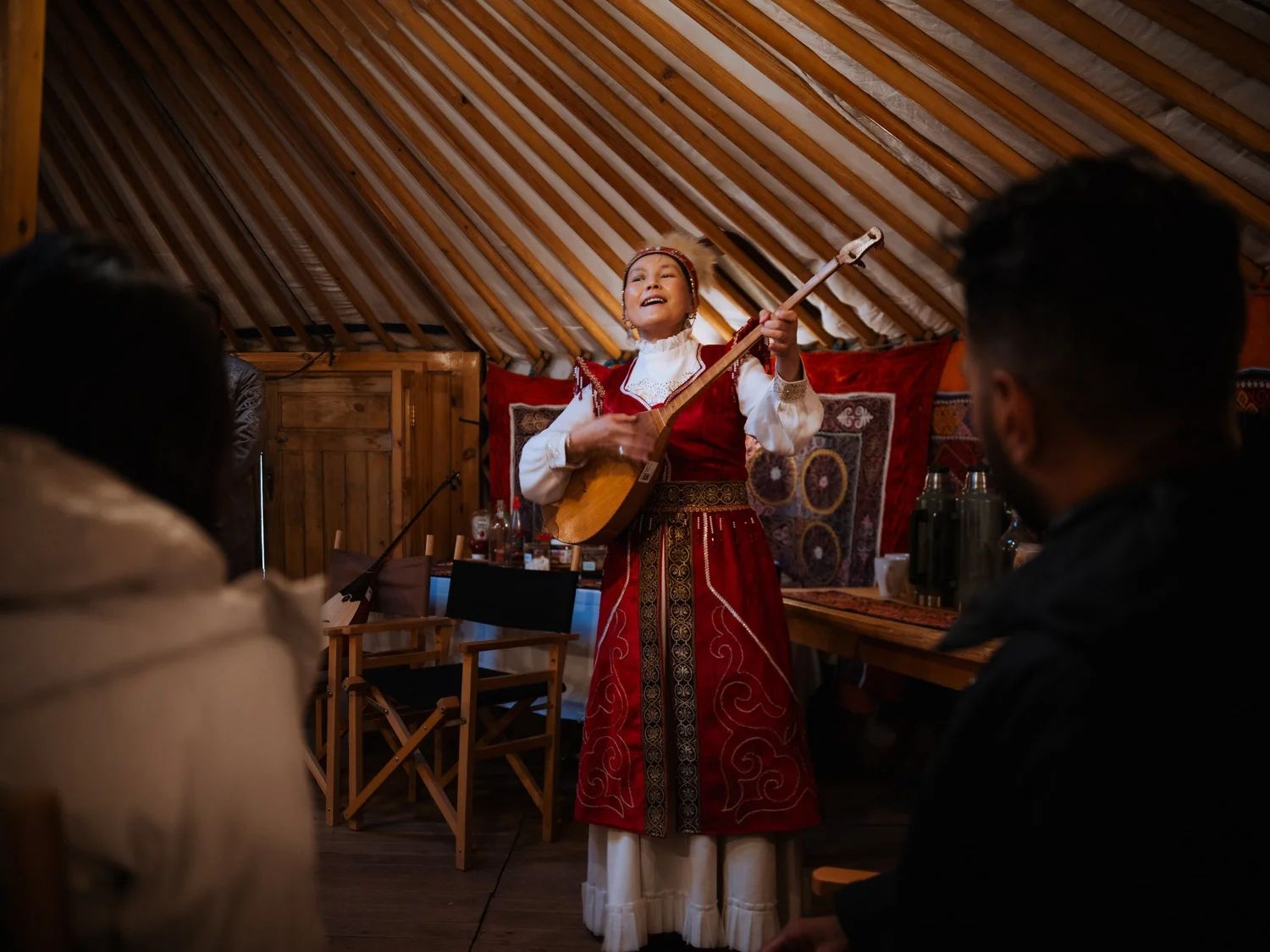
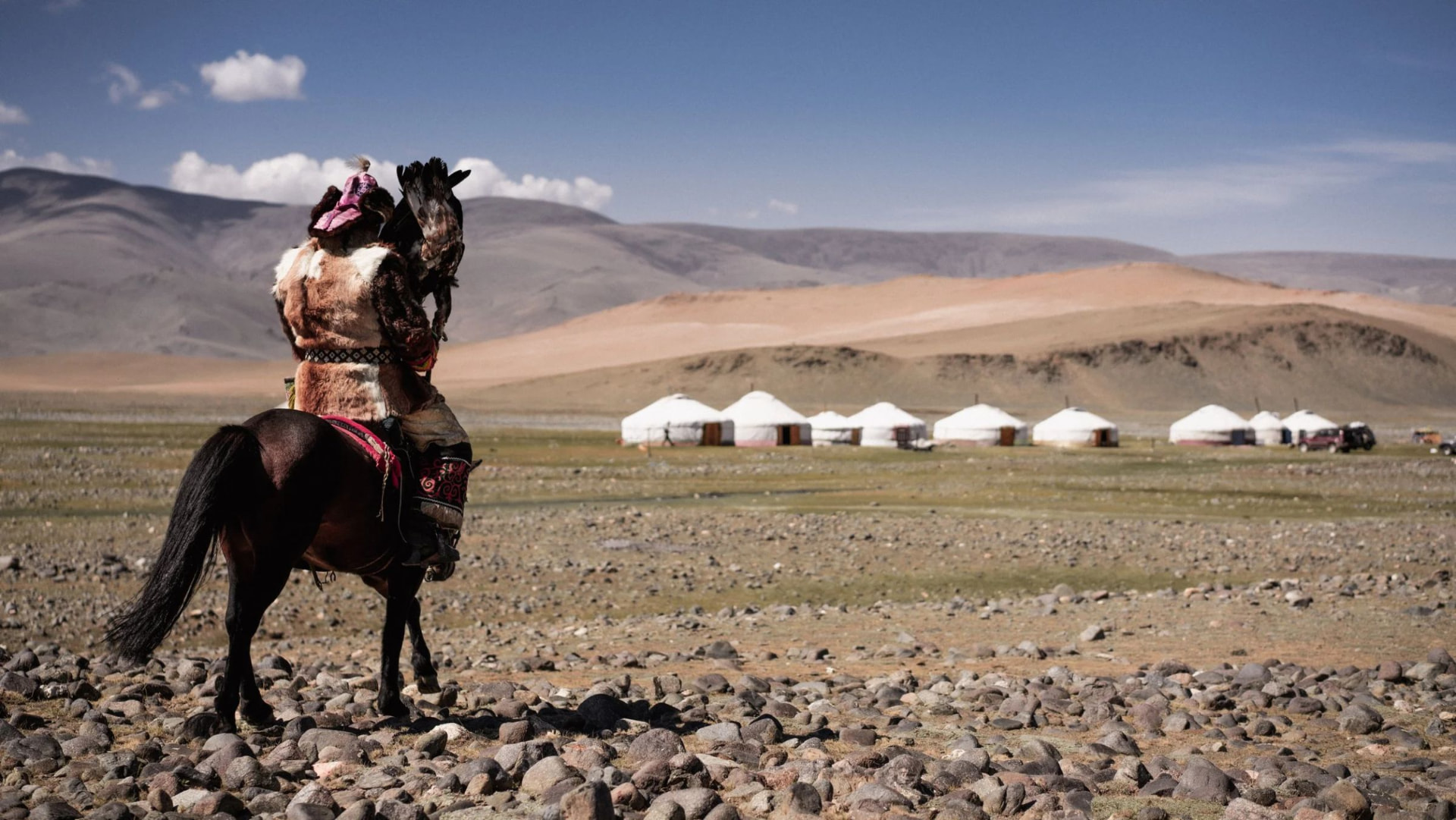
In the Altai, you stay in gers and get to see how they work. A family shows you how one comes down, the felt lifted off its wooden frame, and you're welcome to pitch in. The eagle on the hunter's arm was raised in the home you're sitting in. Nothing is put on for show. You're welcomed into their home, their stories and the music by the fire, and by the end of the week, the families who hosted you feel like people you know.
Here, you don't watch nomadic life. You live a few days of it.
The Eternal Blue Sky
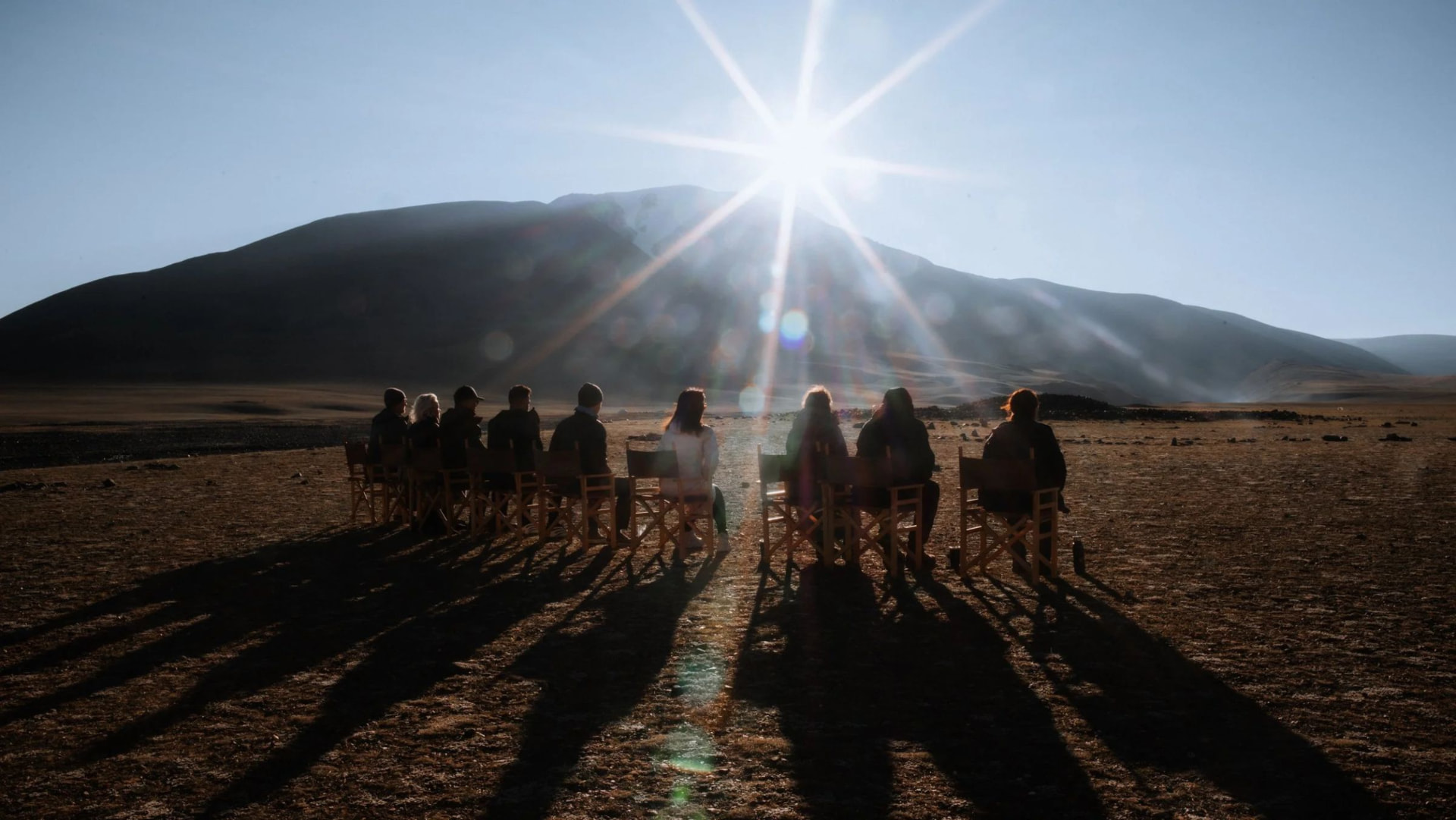
In Mongolia, the sky is not scenery. Long before Buddhism reached this region, Mongolians honored Tenger, the Eternal Blue Sky, as a father, and the earth beneath it as a mother. Under a sky this big, it isn't hard to understand why.
Shamanism is the oldest faith in Mongolia, part of a family of traditions counted among the oldest spiritual practices on earth. During the socialist years of the last century, it was driven underground. It survived, and since the 1990s it has returned. You still see the relationship with the sky on any mountain road, where stone cairns called ovoo are wrapped in blue silk scarves, and travelers stop to walk around them three times before going on.
What would you do differently if the land were family?
The Far West
Mongolia is nearly the size of Alaska, and our experience crosses most of it. The order shifts with the weather and the families who host us, but the journey always moves through three Mongolias: the mountains of the far west, the grasslands near the capital and the Gobi in the south.
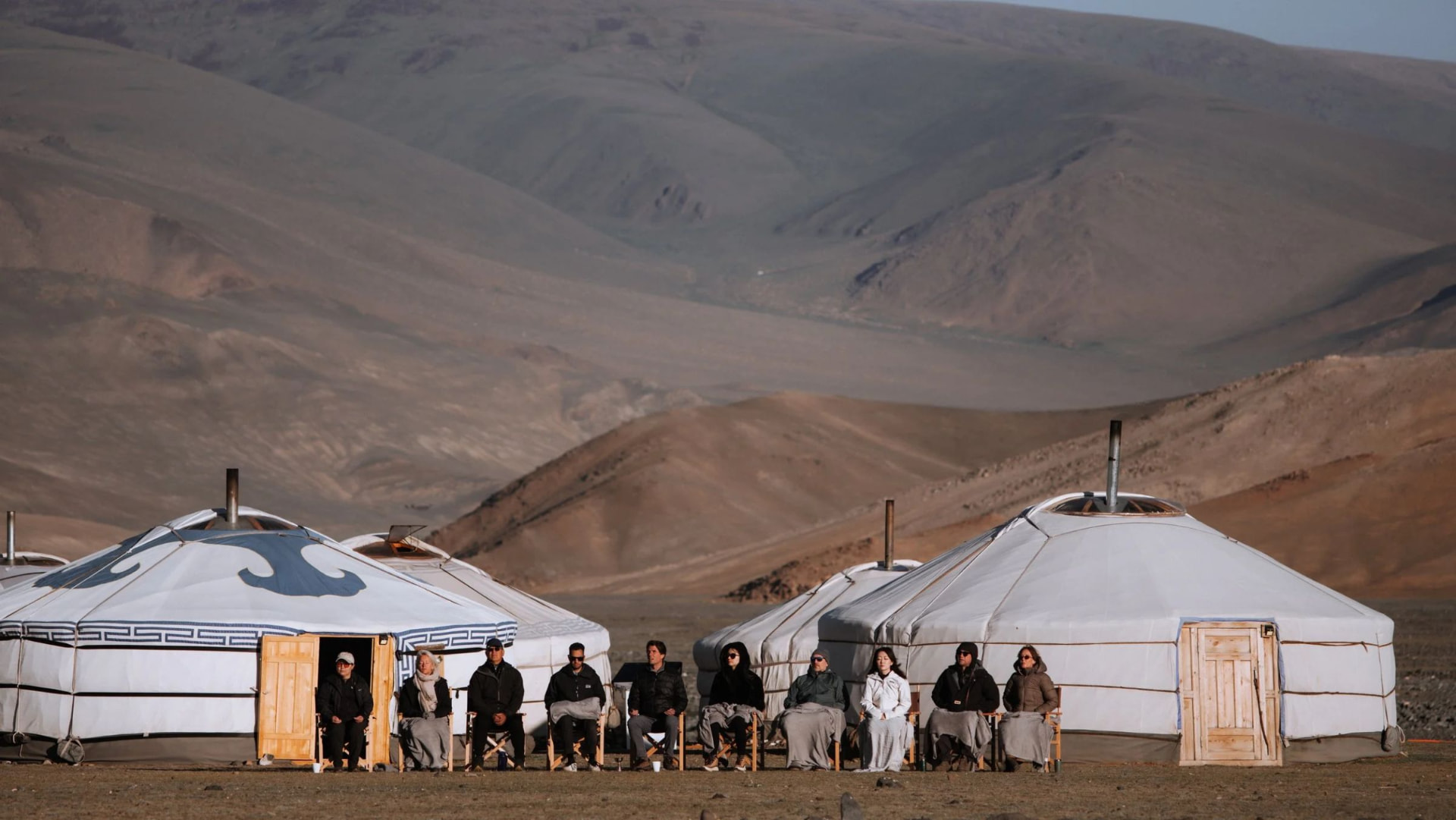
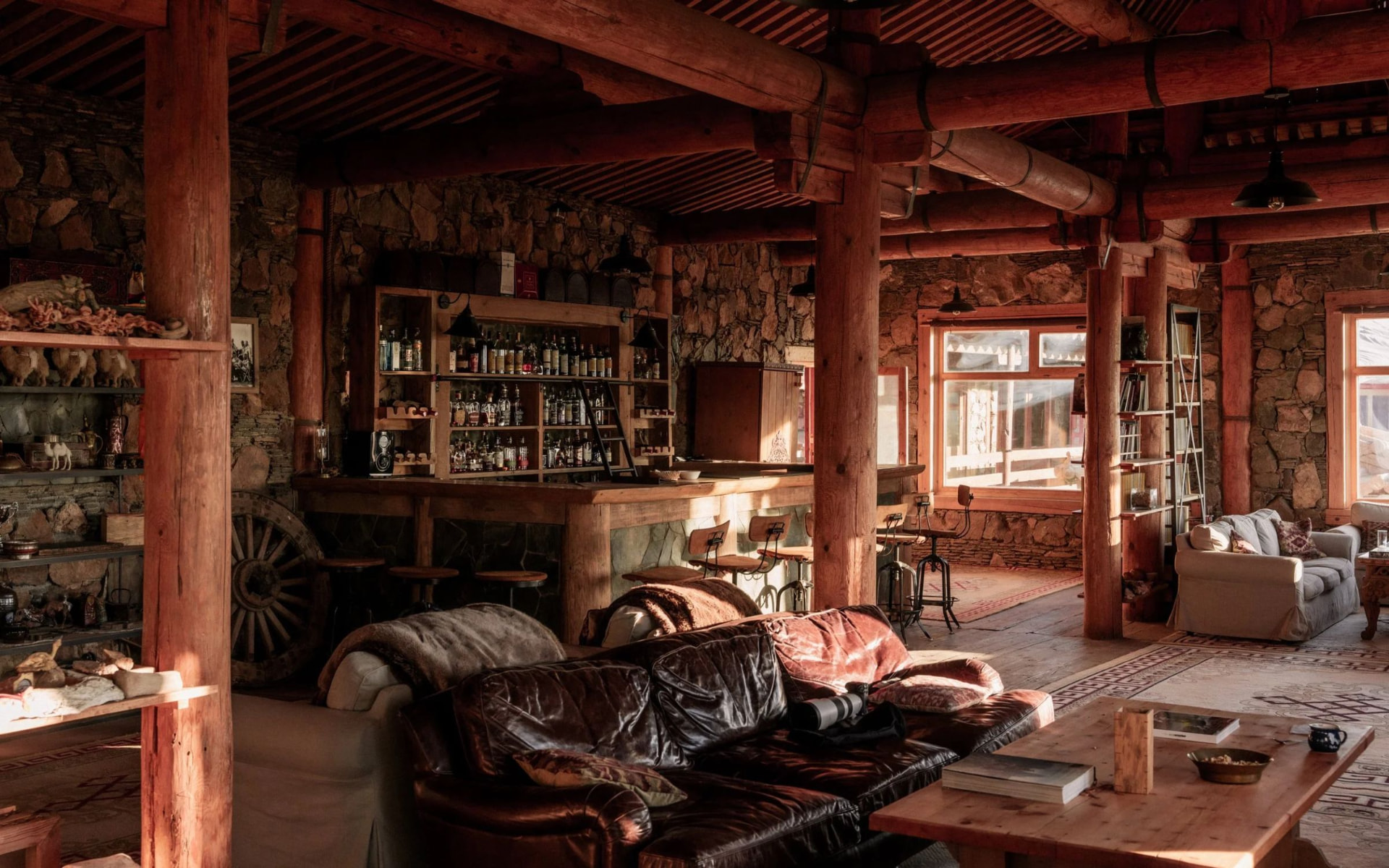
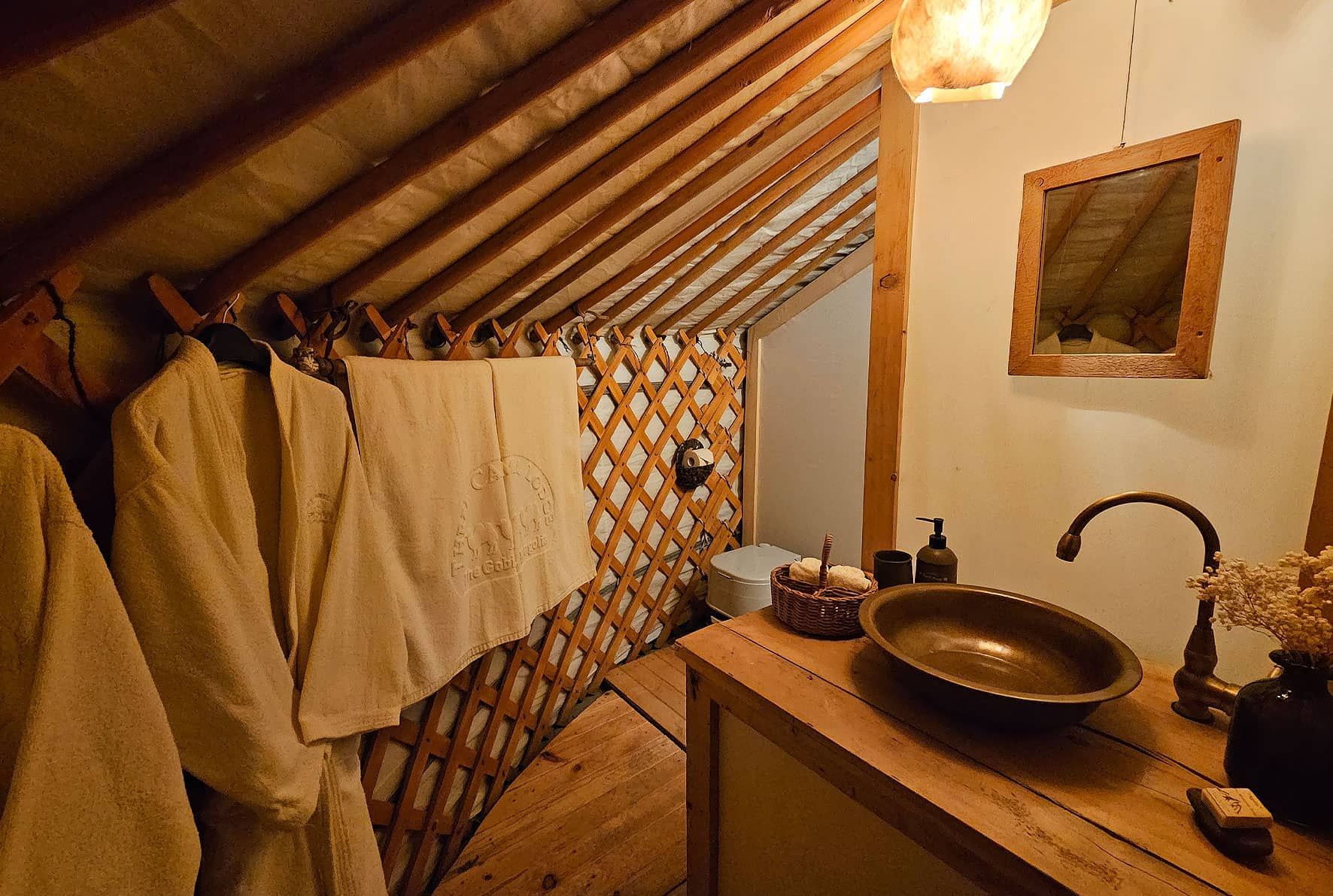
We gather in Ulaanbaatar for an opening dinner beside one of the capital's old Buddhist temples, then fly west at dawn across the width of the country, to Ölgii, among the highest mountains in Mongolia. Most people here are Kazakh. The road from the airstrip is dirt, and the camp at the end of it is a ring of gers with hot stoves, real beds and the Altai rising behind them.
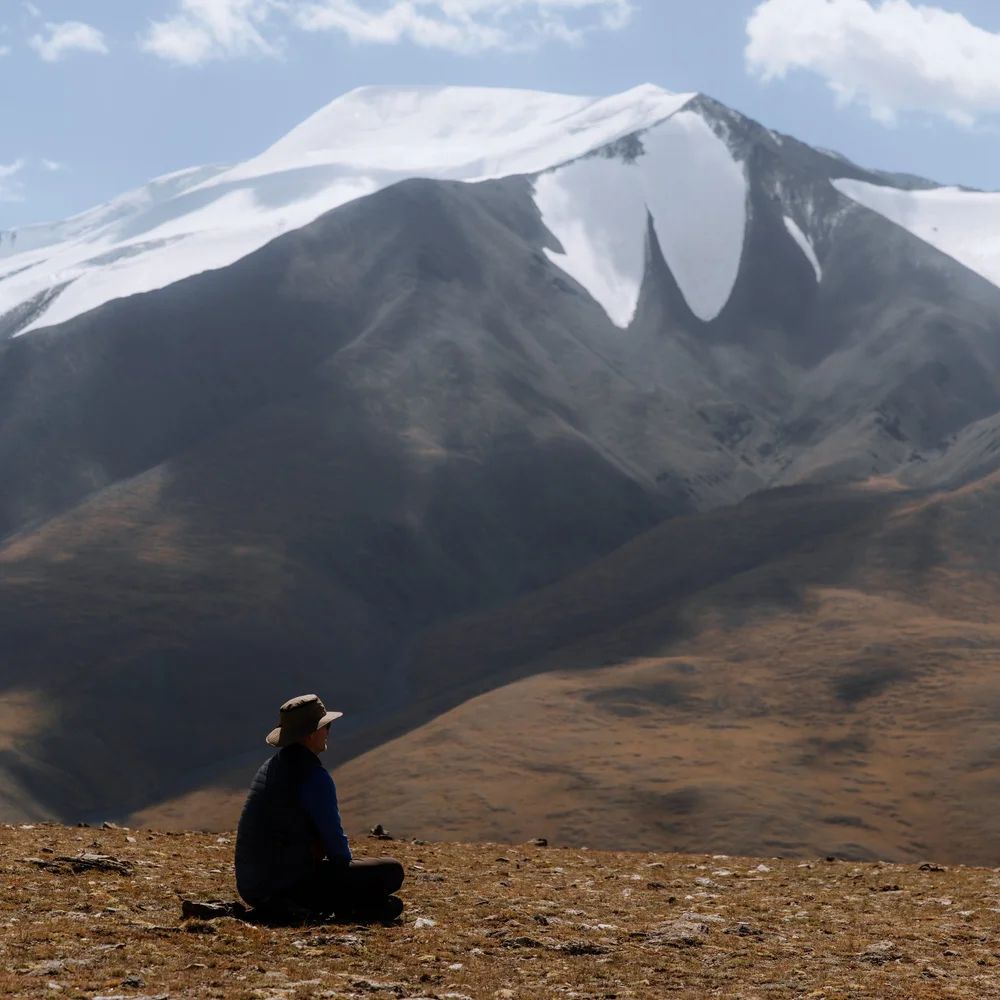
Over three days in the Altai, you visit the Eagle Hunter Cultural Center and Lake Tolbo, hike into a valley beneath glaciers, and see how nomadic families take down a ger.
Riding with Eagle Hunters
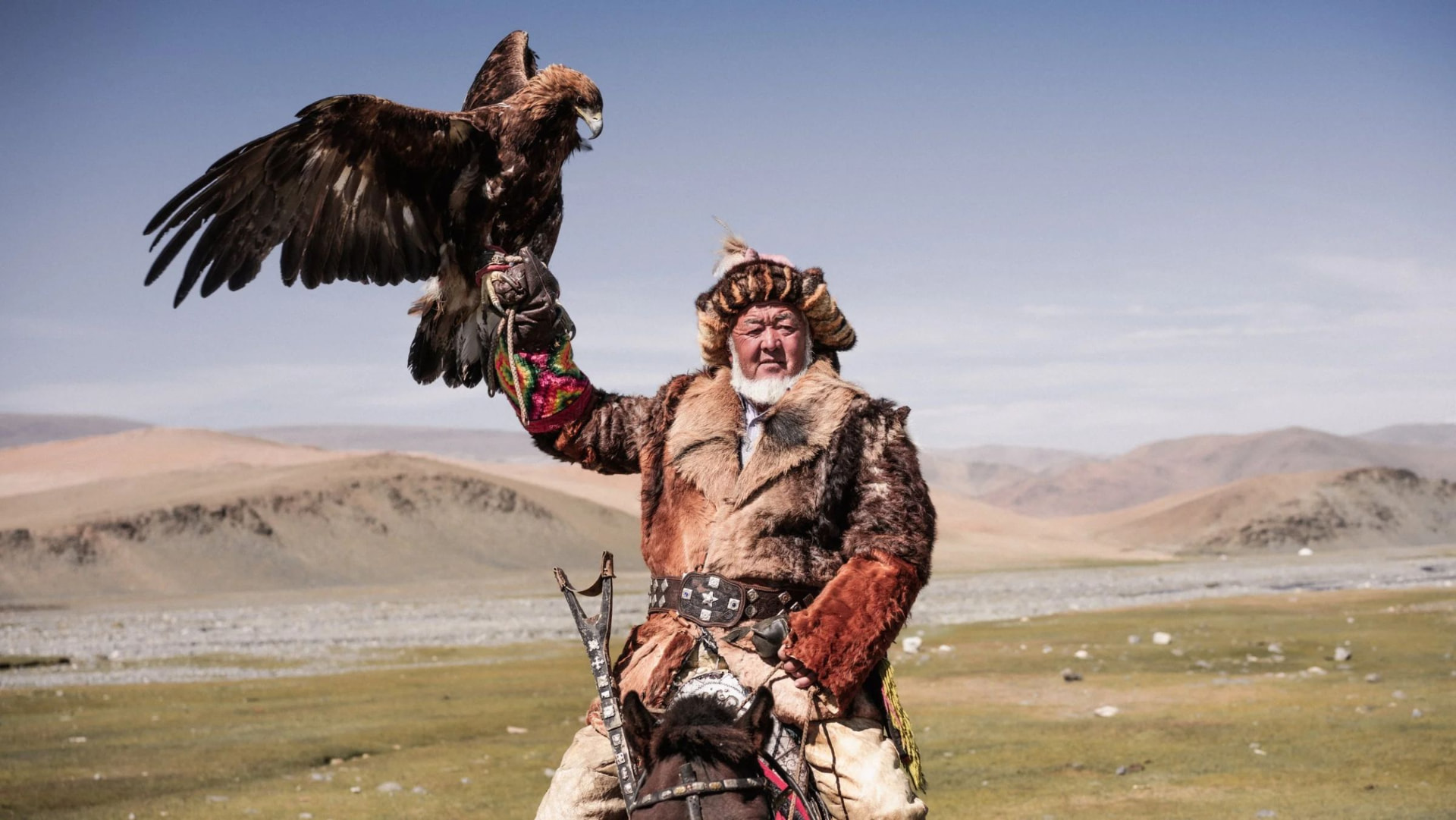
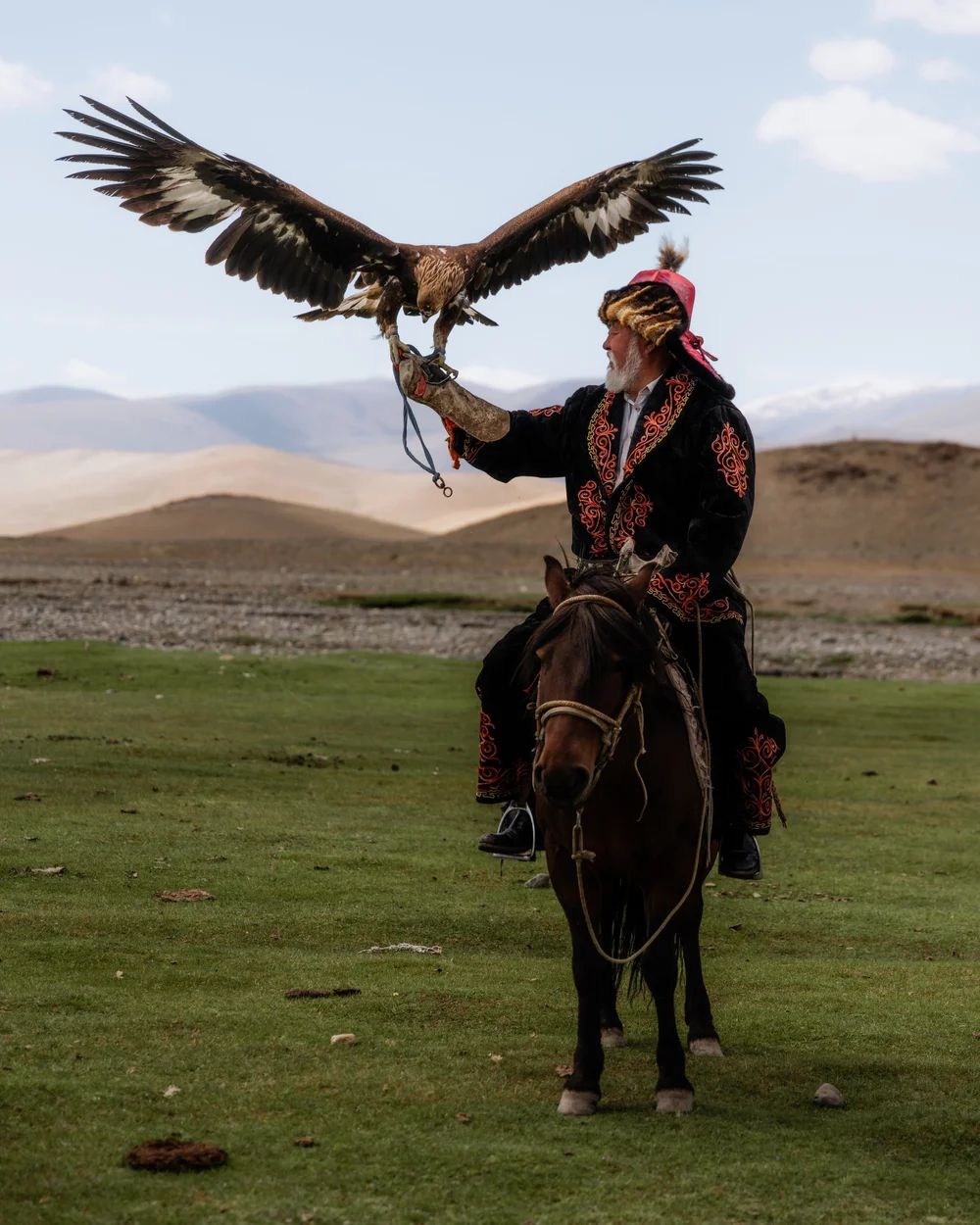
One morning, you are welcomed into the home of a Kazakh eagle-hunting family. The head of the family, one of the most celebrated eagle hunters in Mongolia, shows you how a golden eagle is raised, trained and cared for, a bond that lasts years and is passed down through generations.
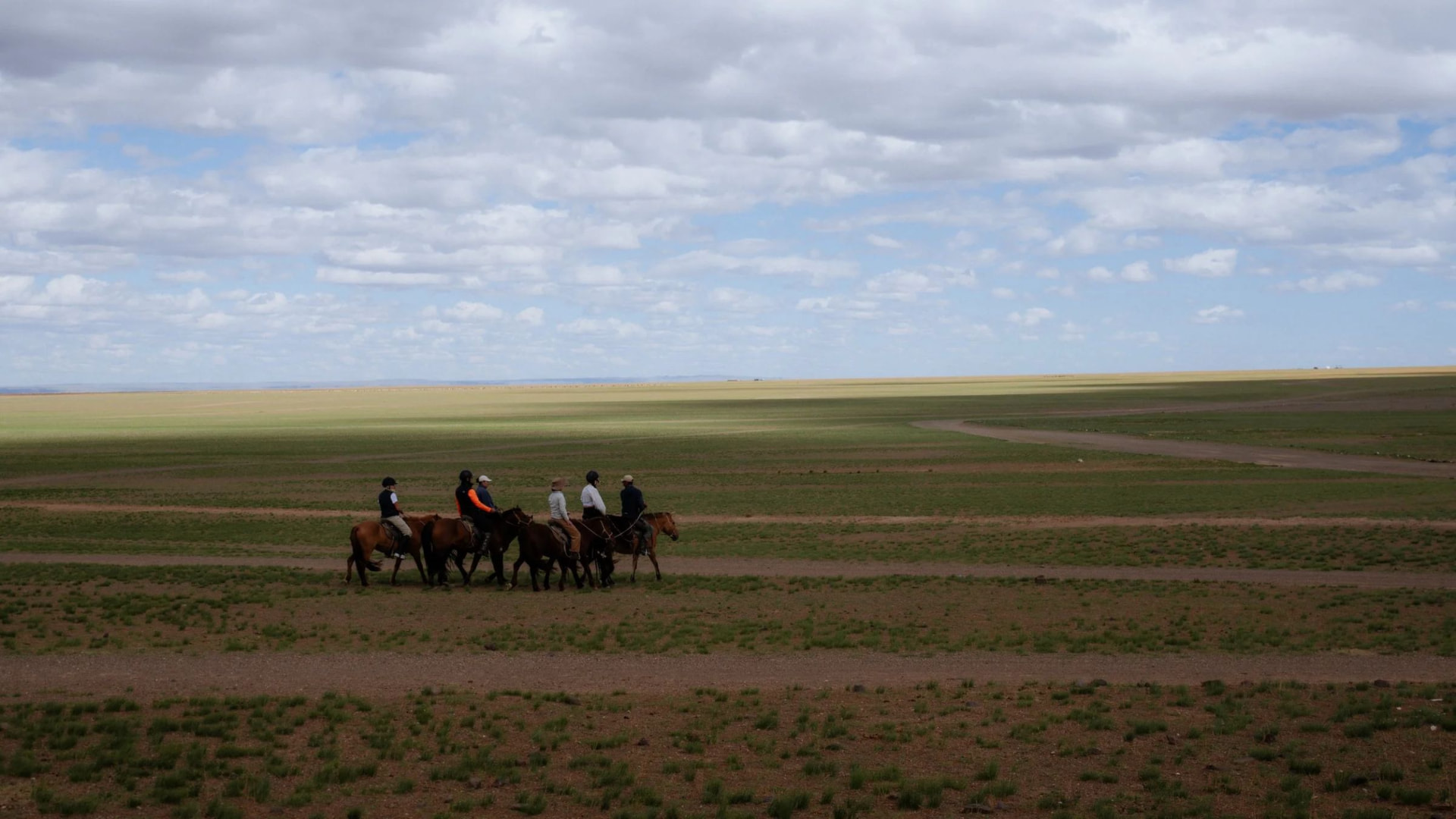
Later, you ride Mongolian horses across the Altai beside him and his fellow hunters, eagles on their arms and the valley opening ahead. At night there is Kazakh music by the fire.
Each autumn, a festival in Ölgii draws photographers from around the world to see the eagle hunters compete. What you see is the part they miss: the family, the home, the slow work between a person and a bird, and days in the saddle beside them.
A Night with Shamans
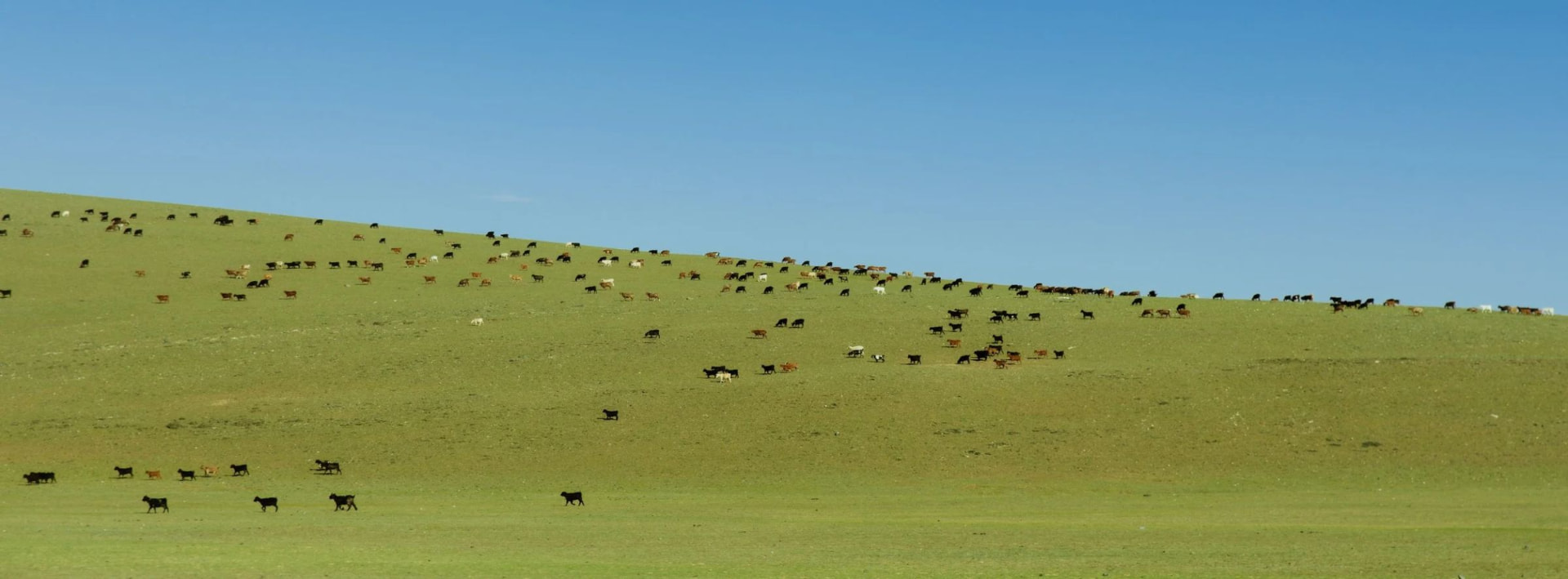
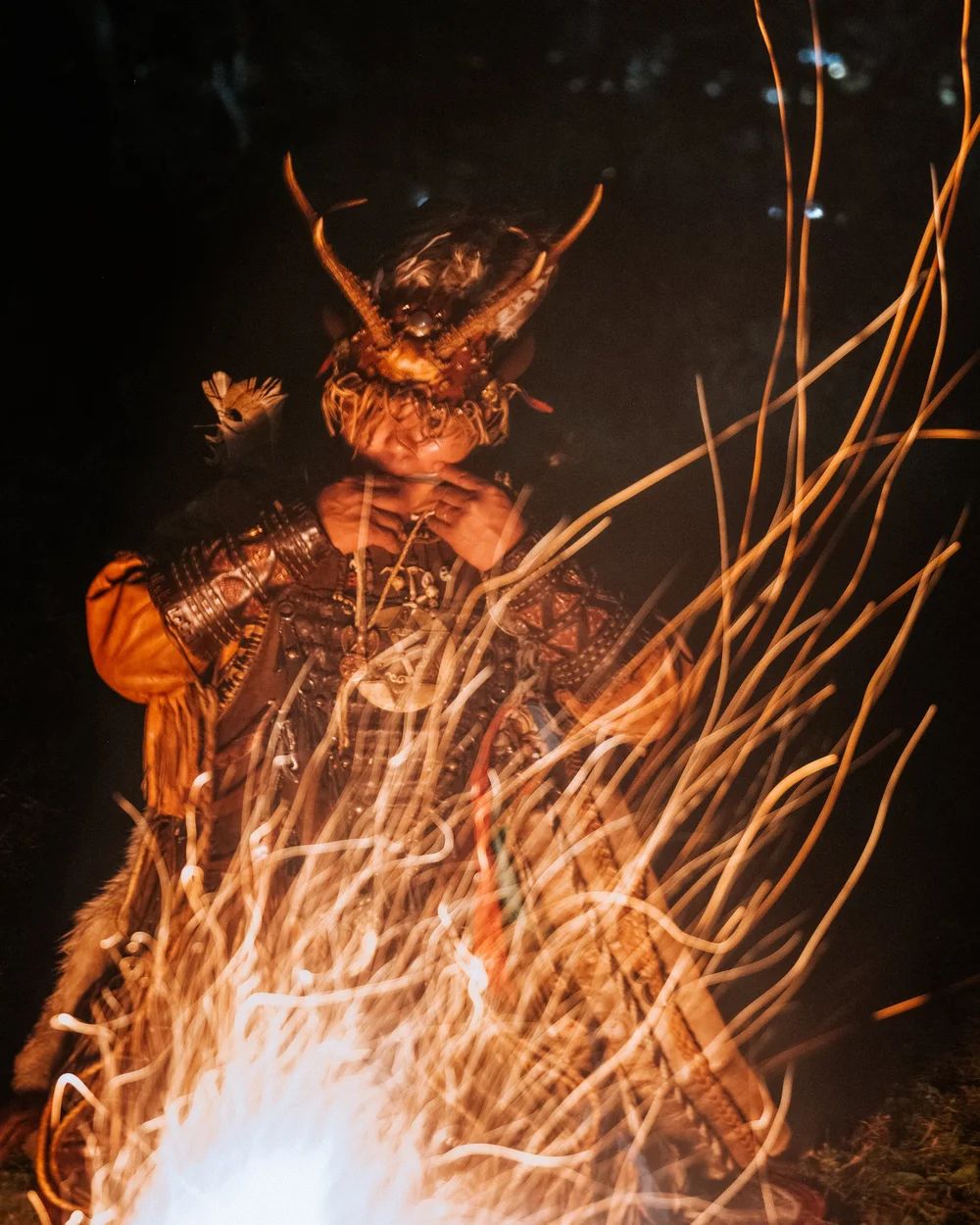
From the Altai, we fly back east to the open grasslands. There's no hotel tonight. The group raises its own gers in a quiet, private spot on the plains, and for one night, we live as nomads.
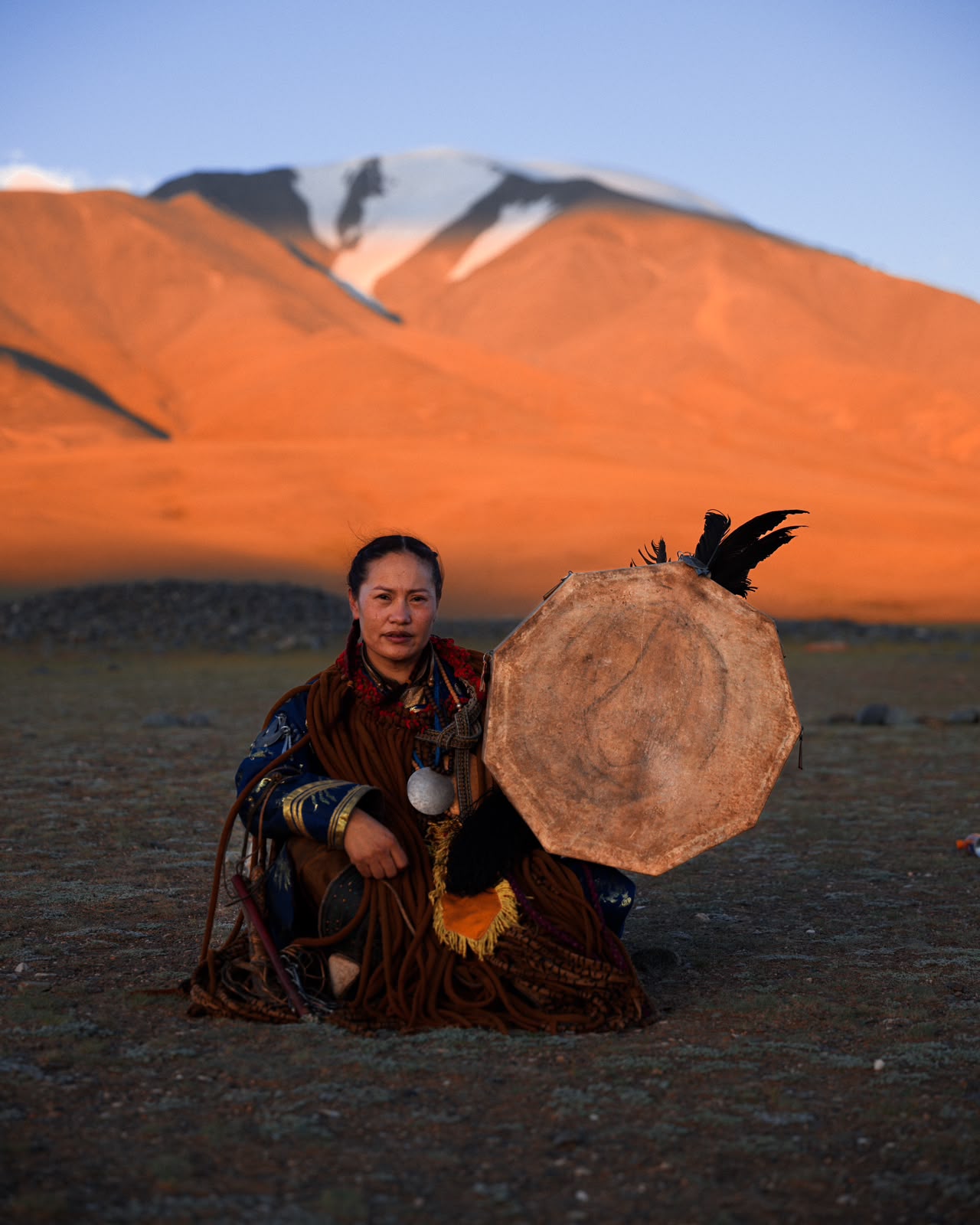
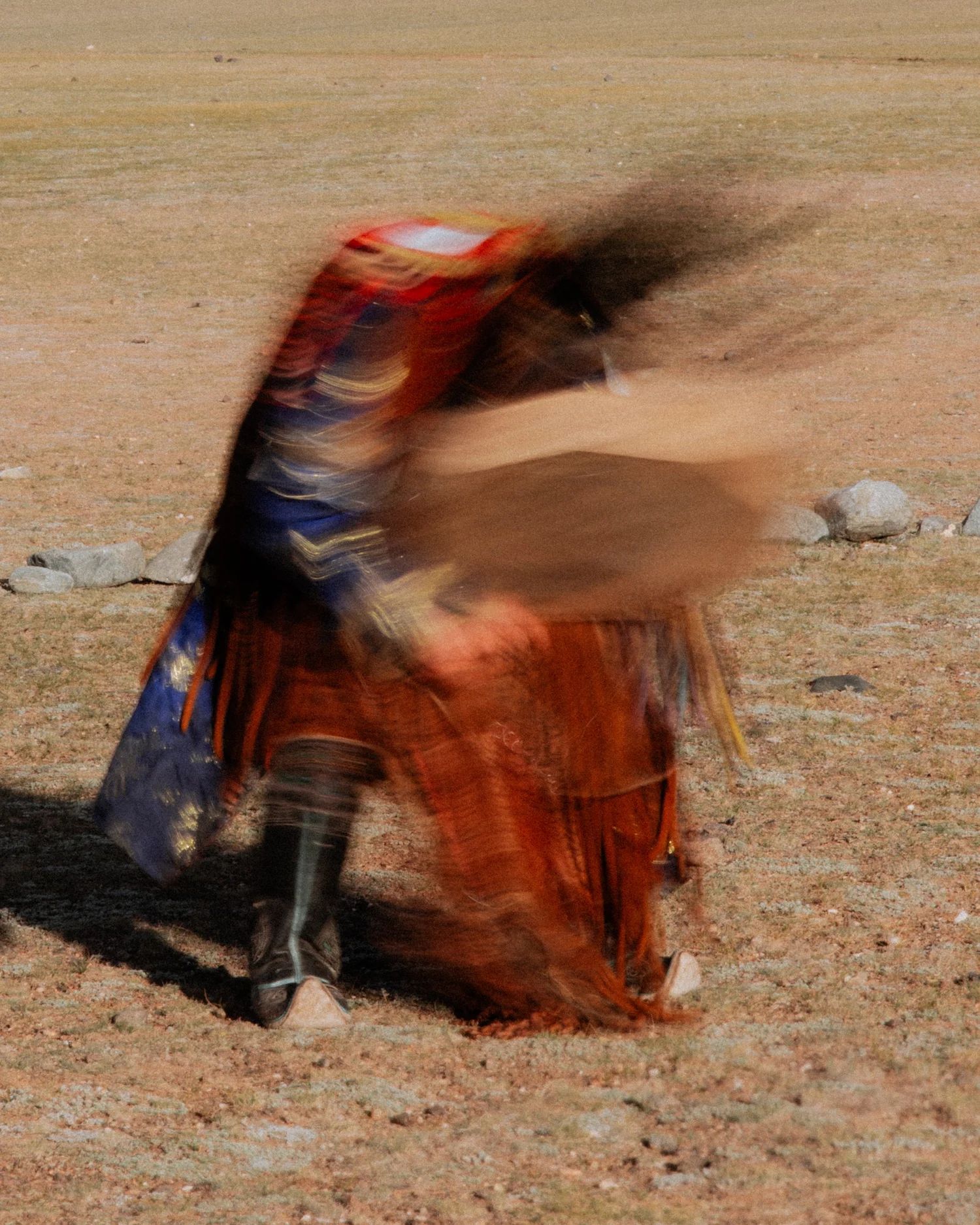
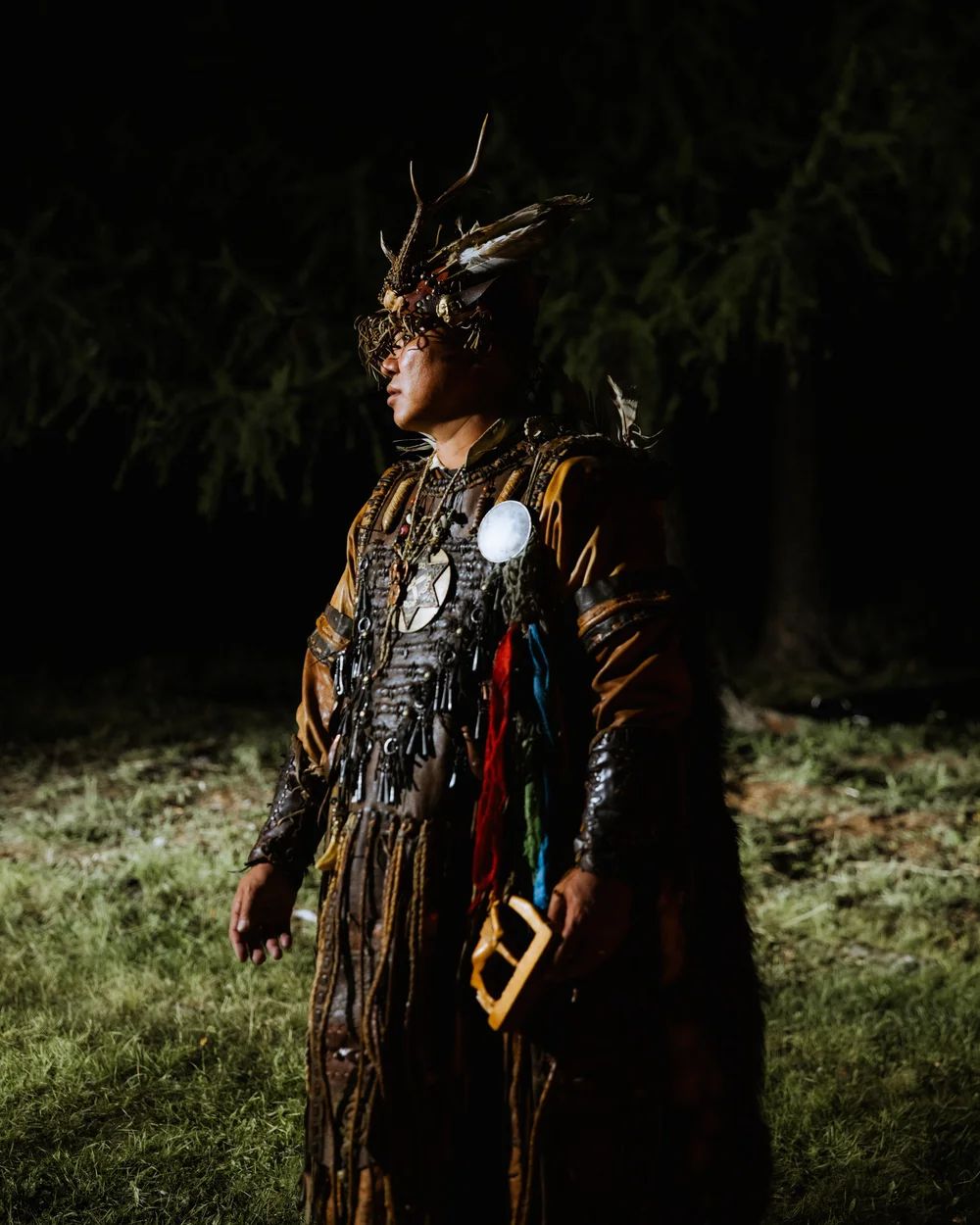
The days before have been leading here. In sessions on Mongolian spirituality, you learn about the Three Worlds: the sky above, the world we live in, and the world below, and about the shaman's role in moving between them on behalf of the people they serve. By the time the fire is lit, you know what you're walking into, and why it matters.
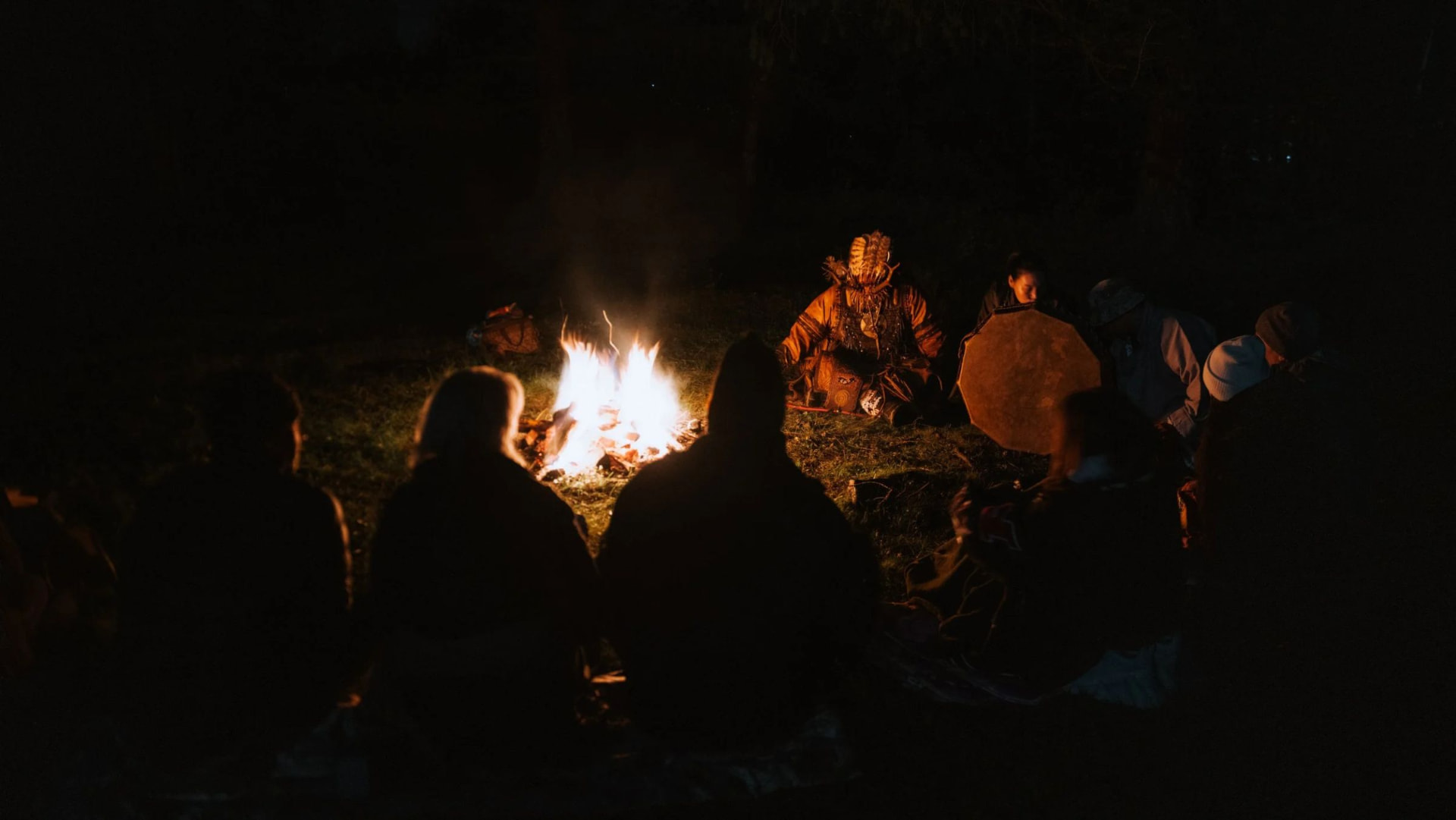
The shamans, among the most respected in Mongolia, arrive as the light goes. When it's dark, the drum begins. This isn't something you watch from a distance. The group sits close around the fire, takes part, and is spoken to about the land, the ancestors and, for some, about themselves. People come away talking about purpose, about their families and the generations before them, and about what they owe the earth. For some, what they hear lands as something they already knew.
Afterward, nothing is scheduled. There's the fire, the sky full of stars, and the people you've just shared it with. In the morning, the group takes the gers down together and flies south.
On past Pilgrimages, this is the night participants have singled out above all others.
Dinner at the Flaming Cliffs
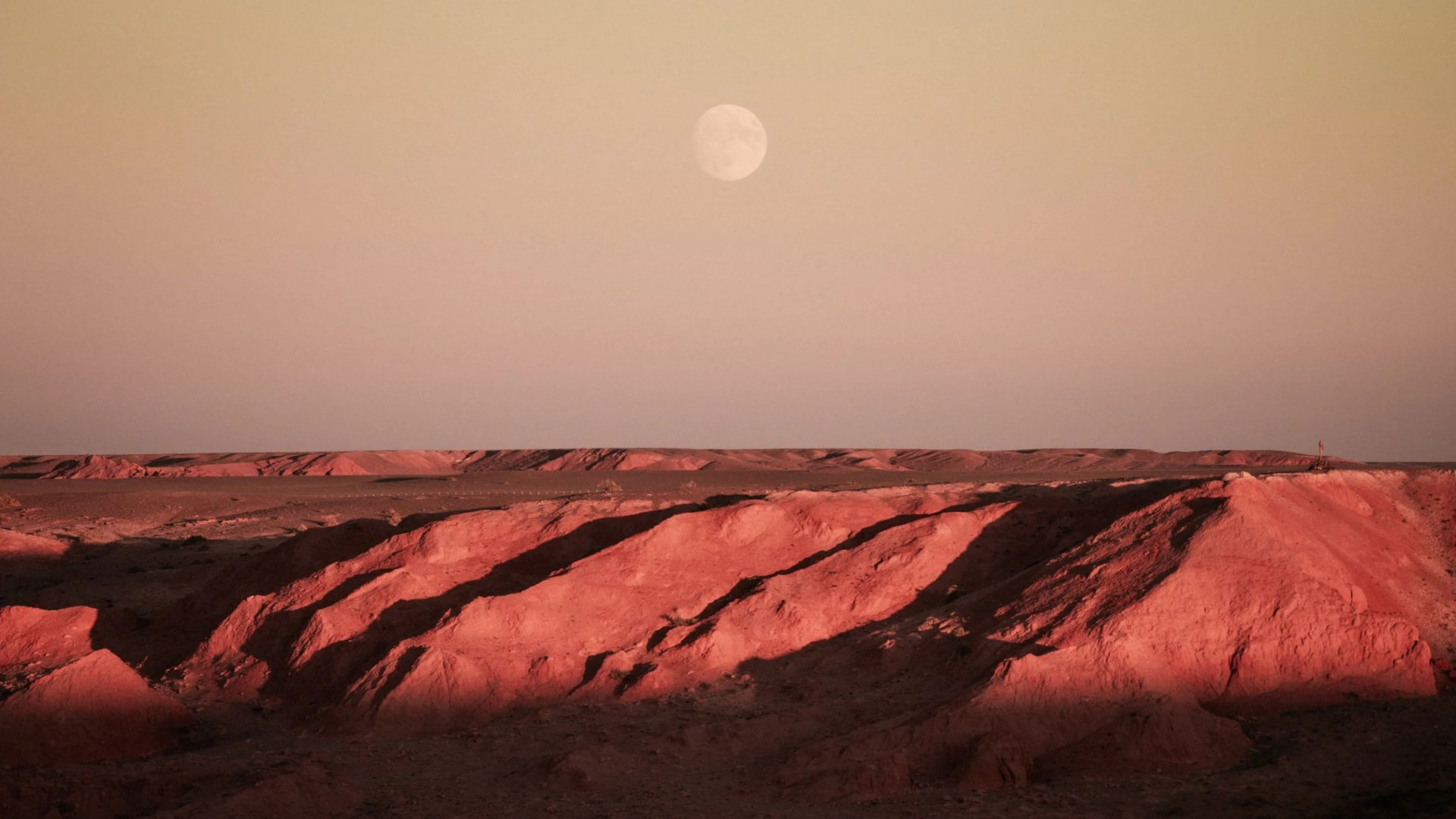
The week ends in the Gobi. A short flight south brings you to an eco-lodge at the desert's edge, and from there into the Yol Valley, a gorge where lammergeiers circle and ibex keep to the cliffs. You see petroglyphs carved thousands of years ago. The last evening is at the Flaming Cliffs, where the first nest of dinosaur eggs the world had ever seen was found in 1922. Dinner is served as the cliffs turn red at sunset, with music and dance from local children studying Mongolia's traditional arts.
Threaded through all of it are daily sessions with Abroad faculty, long drives across open country, and evenings that leave room to take in what the day held.
A professional photographer travels with the group, so you can leave the camera in your bag and keep your eyes on the horizon.
The Details
Some of the most remarkable places in Mongolia are also among the hardest to reach. The trip runs on four domestic flights, remote airstrips, dirt tracks and camps far from any town. Abroad and our on-the-ground experts take care of every piece of it, from comfortable Land Cruisers driven by people who know these roads to carefully planned meals and safety planning throughout, so your attention can stay on the people and the land.
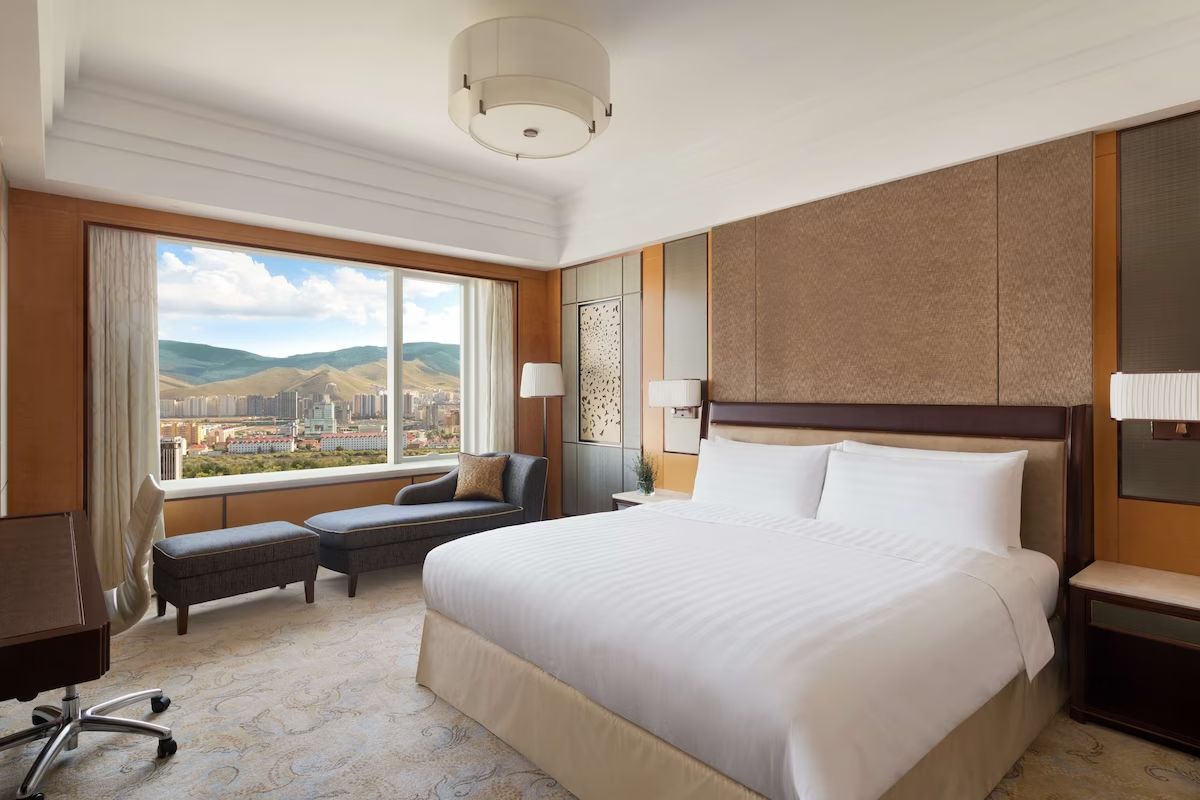
You stay in a premium hotel in Ulaanbaatar, a premium eco-lodge in the Gobi and well-appointed ger camps in between. Groups are small and thoughtfully composed. Orientation and one-on-one coaching prepare you before you go, and coaching after you return helps you make sense of what you discovered.
This is an expedition. Expect early flights, drives of two to six hours on unpaved roads, changing weather, limited connectivity, hikes and horseback riding, and a 15 kg luggage limit on domestic flights. You get a small taste of the resilience the people here live with every day.
- Every participant on our 2026 Mongolia Pilgrimage rated it 10 out of 10
- Our Mongolian guide rated 10 out of 10 by every participant
- Meals rated 10 out of 10, from the capital to the camps
Giving Back
In the Altai, the eagle-hunting community established the Eagle Hunter Cultural Center with local and international partners, to keep their tradition alive and protect the grasslands around it.
This trip is part of that relationship. A portion of your investment goes directly to the wisdom keepers who teach you, host you and lead ceremonies, so your presence helps sustain the traditions you came to learn from.
Access creates responsibility. The relationship doesn't end when the trip does.
Go to Mongolia with Abroad
Mongolia Pilgrimages run in late summer, when the weather in the Altai and the Gobi is at its best. Each one has its own itinerary, hosts and character.