
Peru · Pilgrimage
What do you give back to the places that make your life possible?
Where the Mountains Are Alive
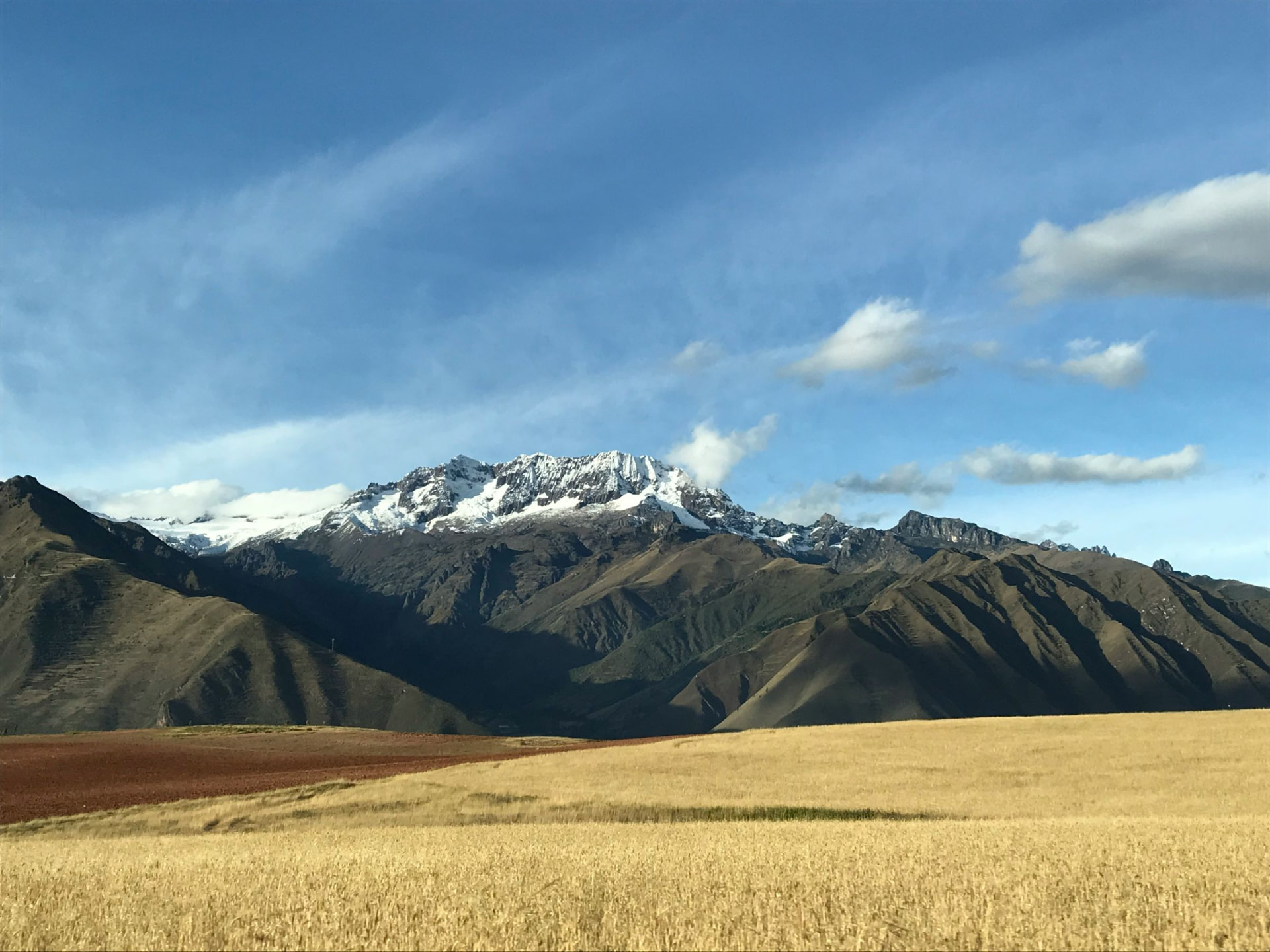
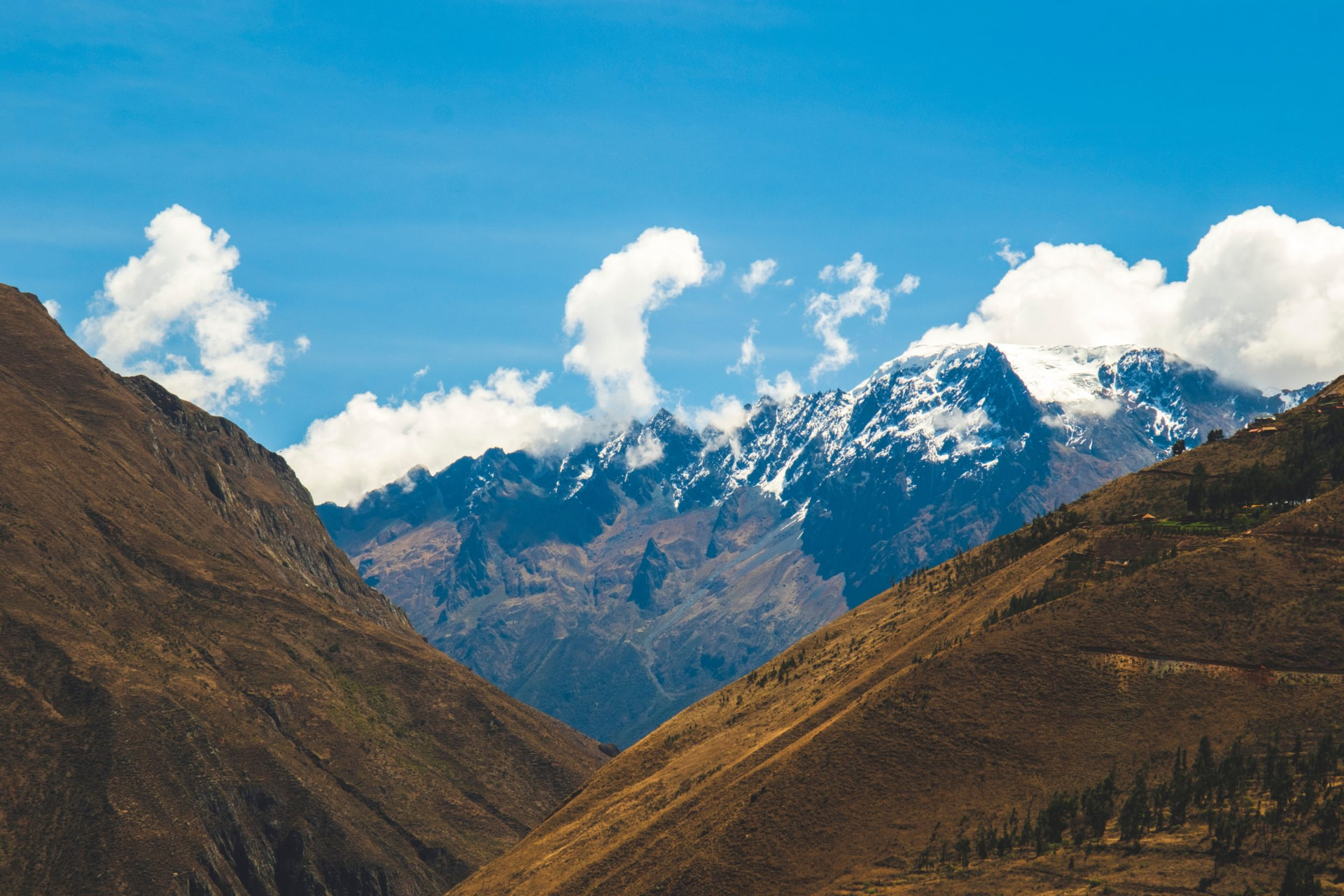
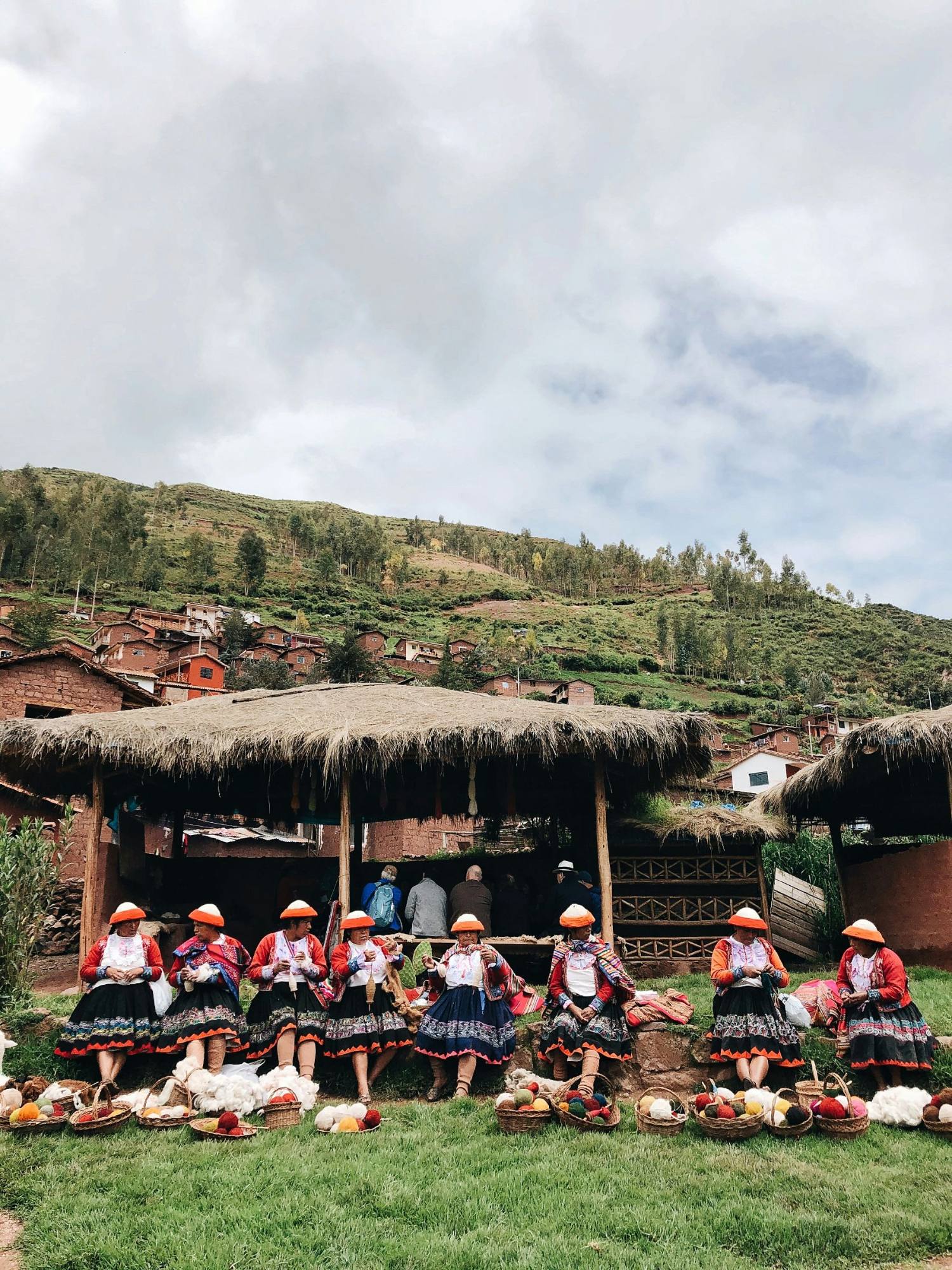
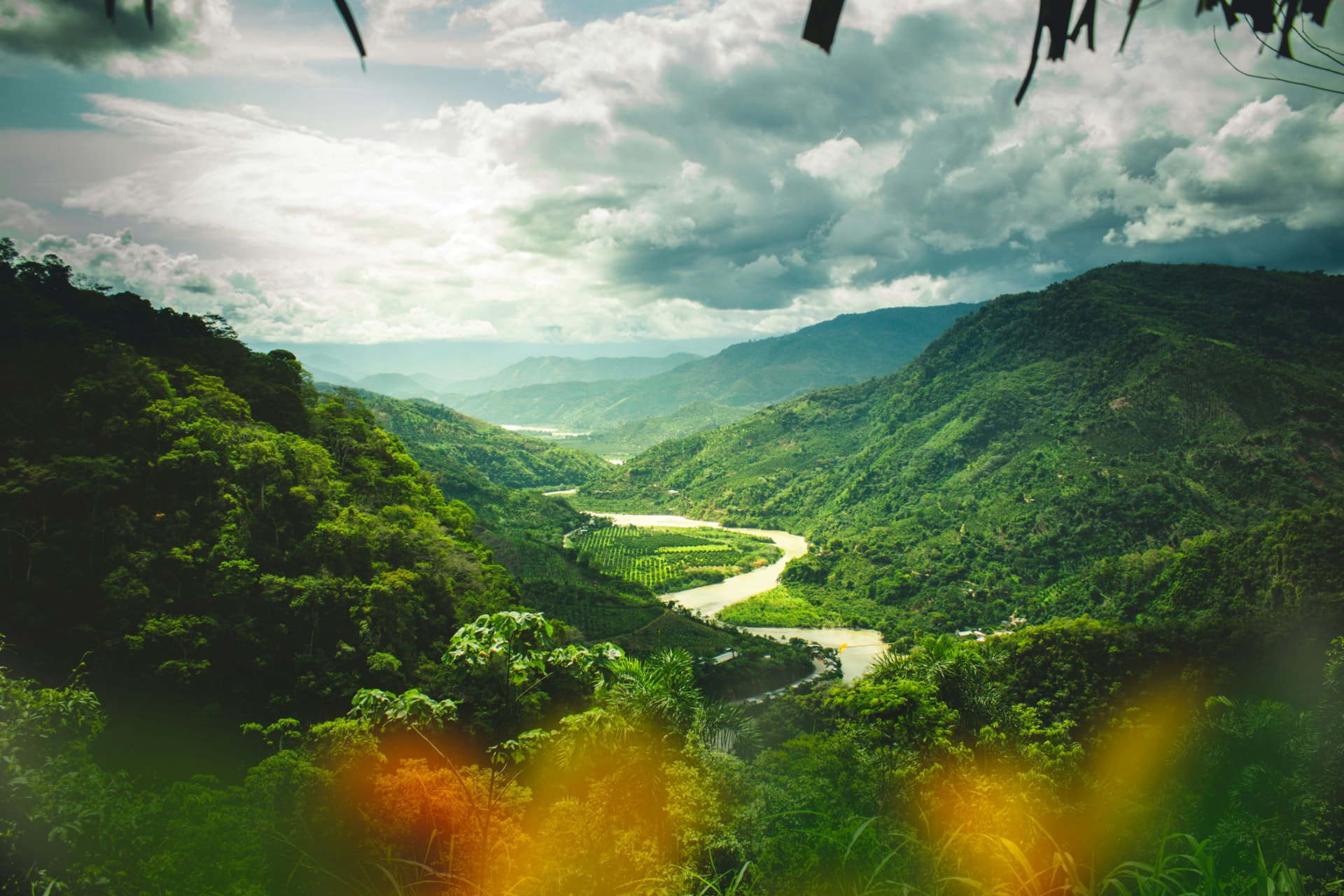
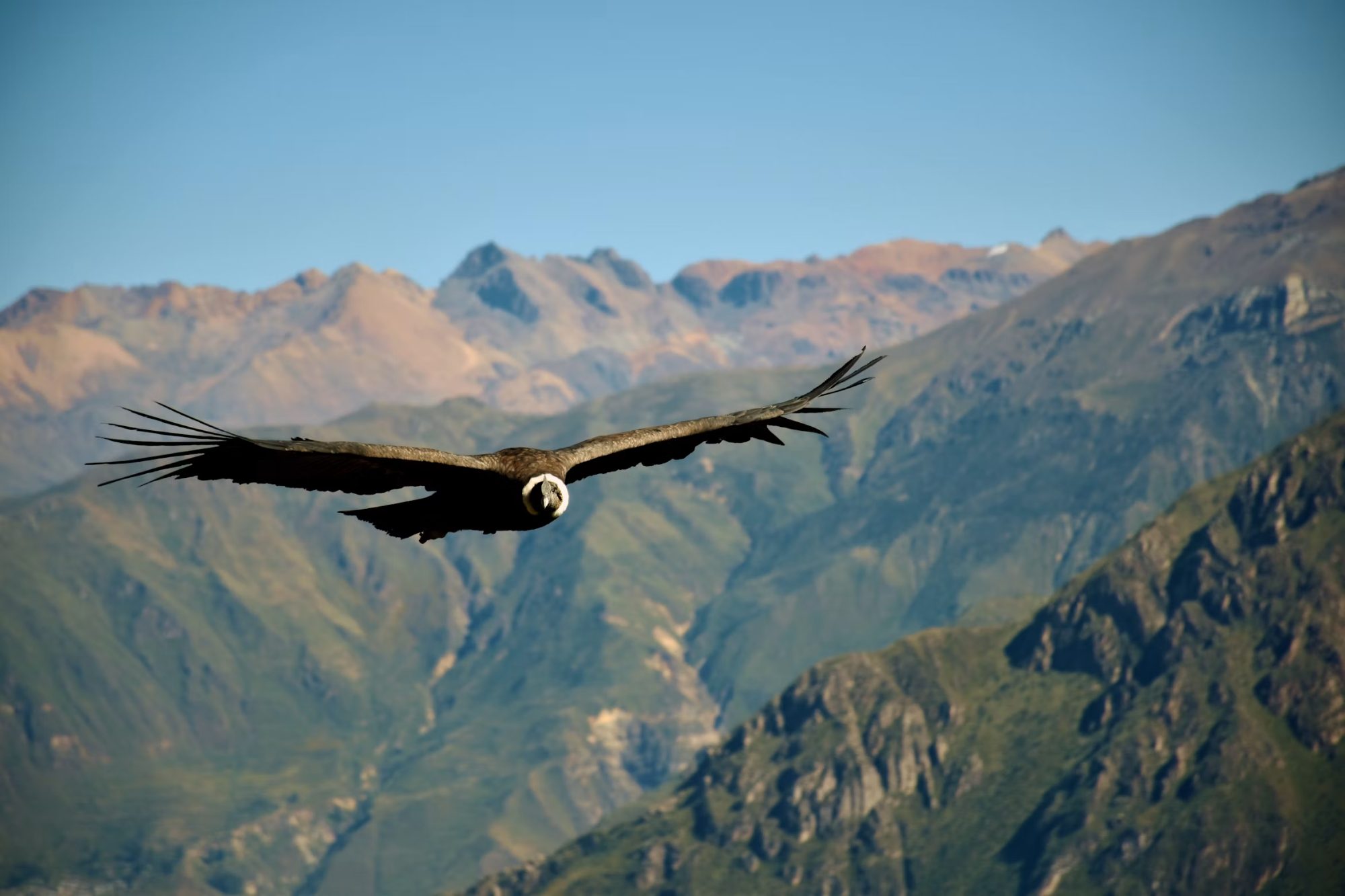
Peru's southern Andes rise from the Sacred Valley to peaks above 6,000 meters, and for the people who have lived among them for centuries, they have never been only mountains. In Quechua, the great peaks are called Apus, honored as living presences who watch over the valleys below. The earth itself is Pachamama, a mother to be thanked and fed.
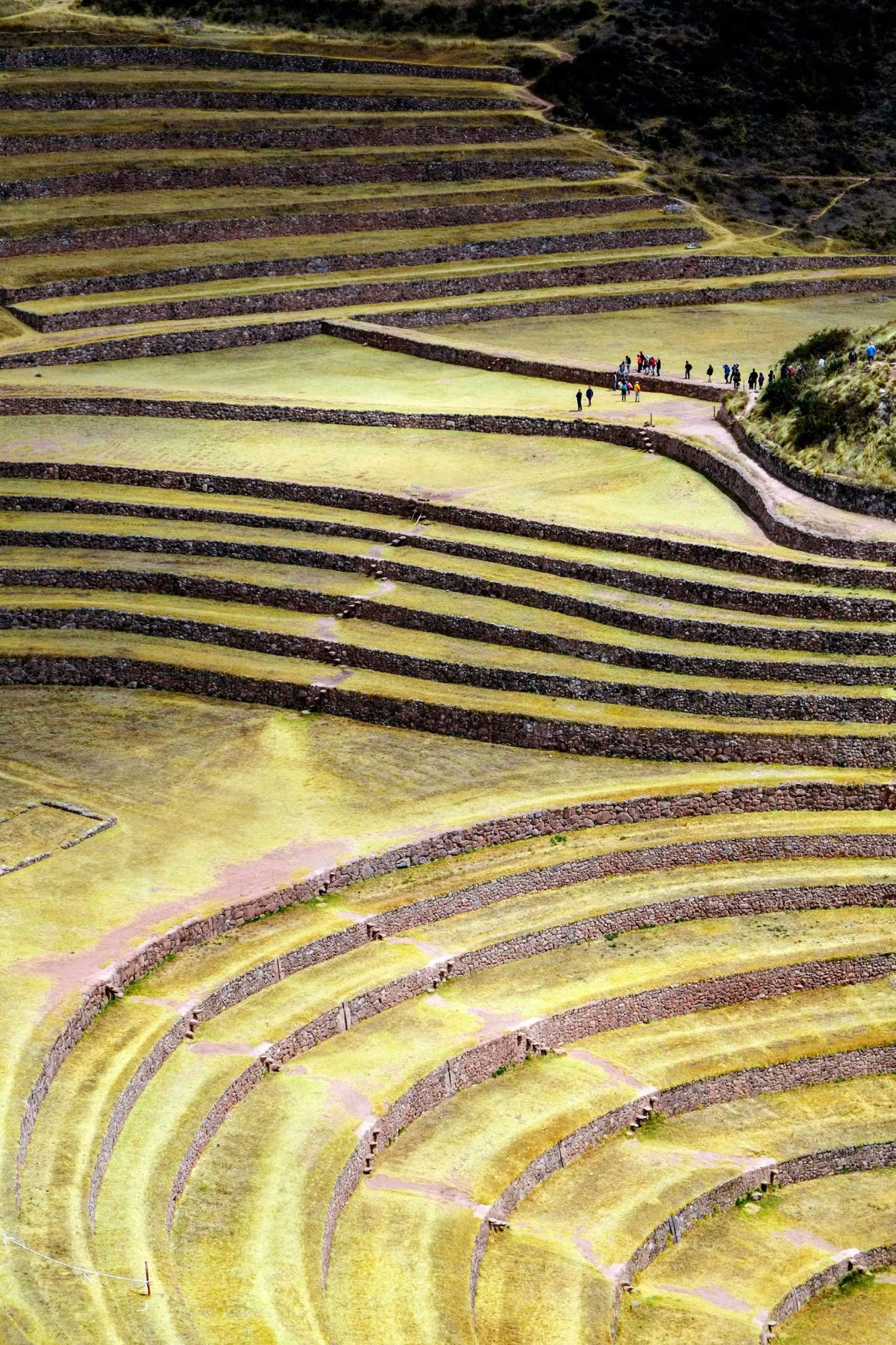
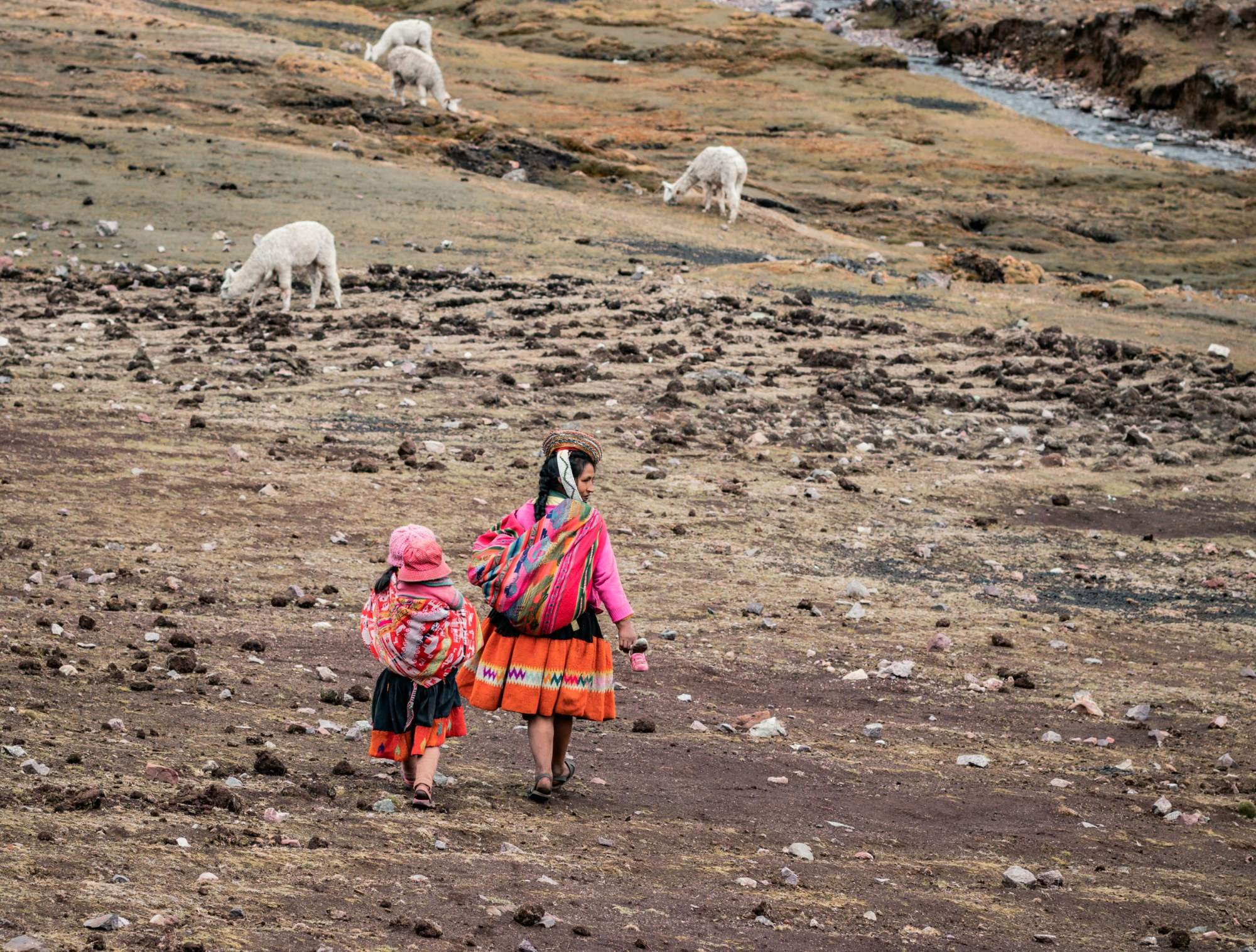
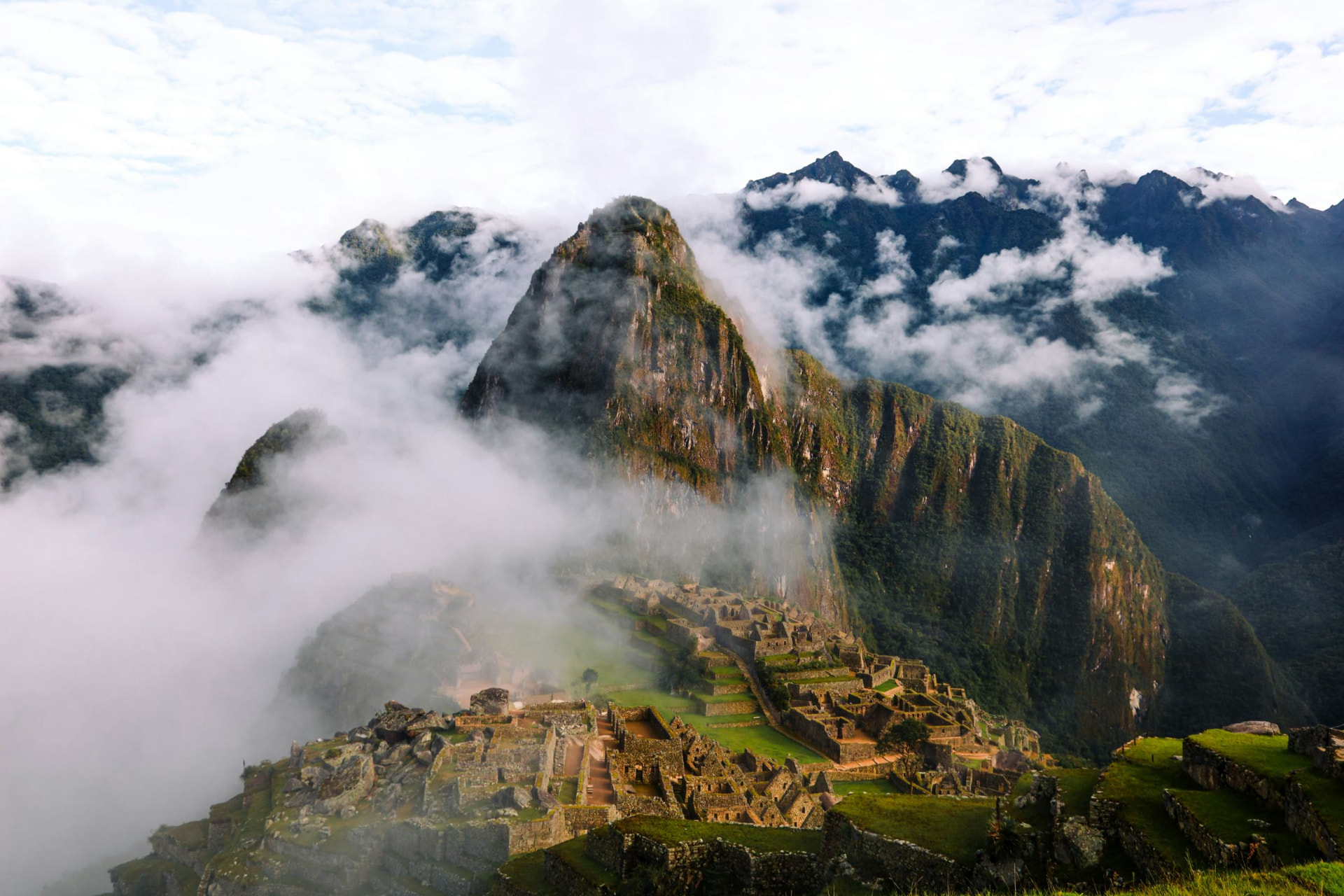
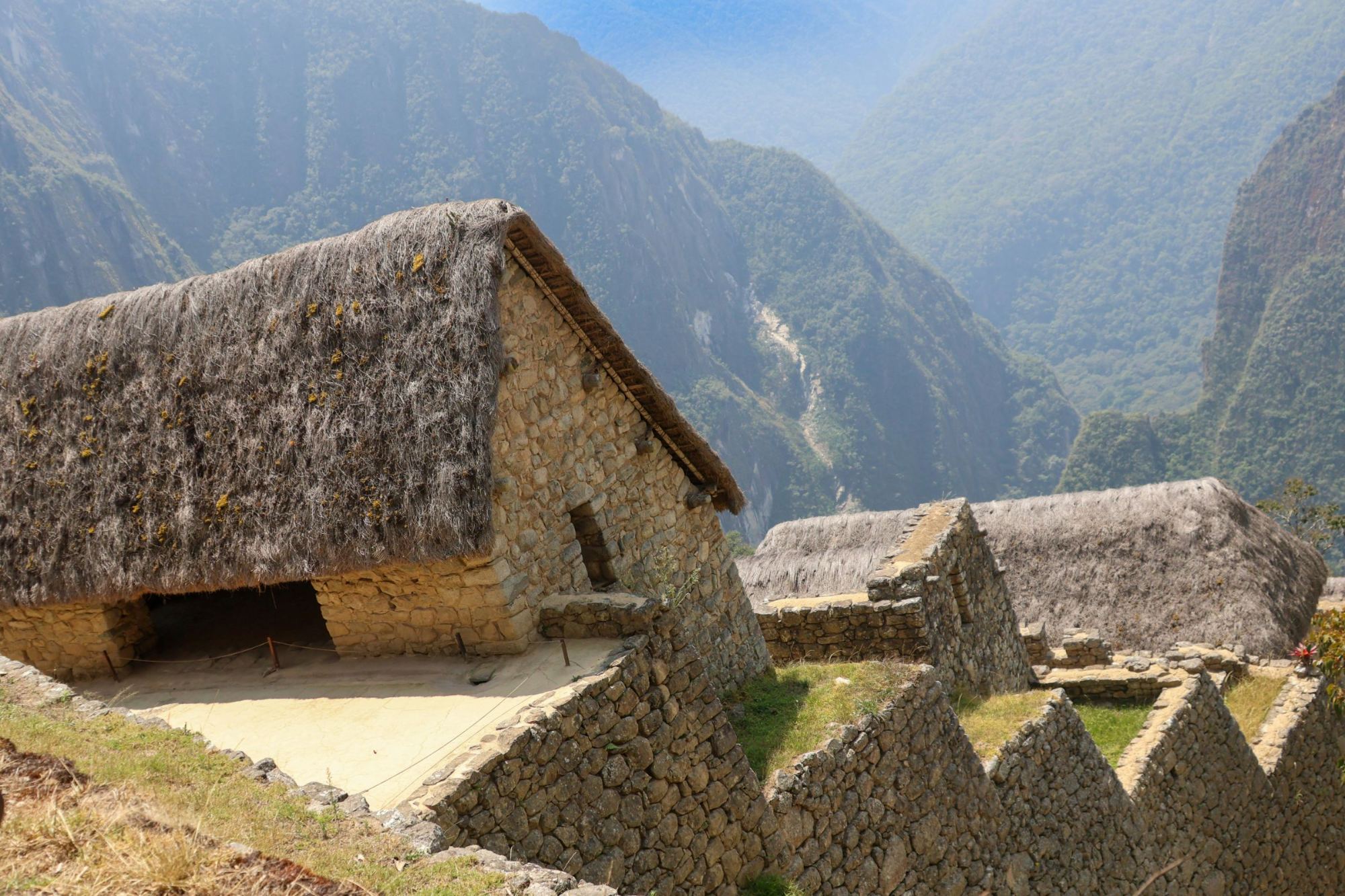
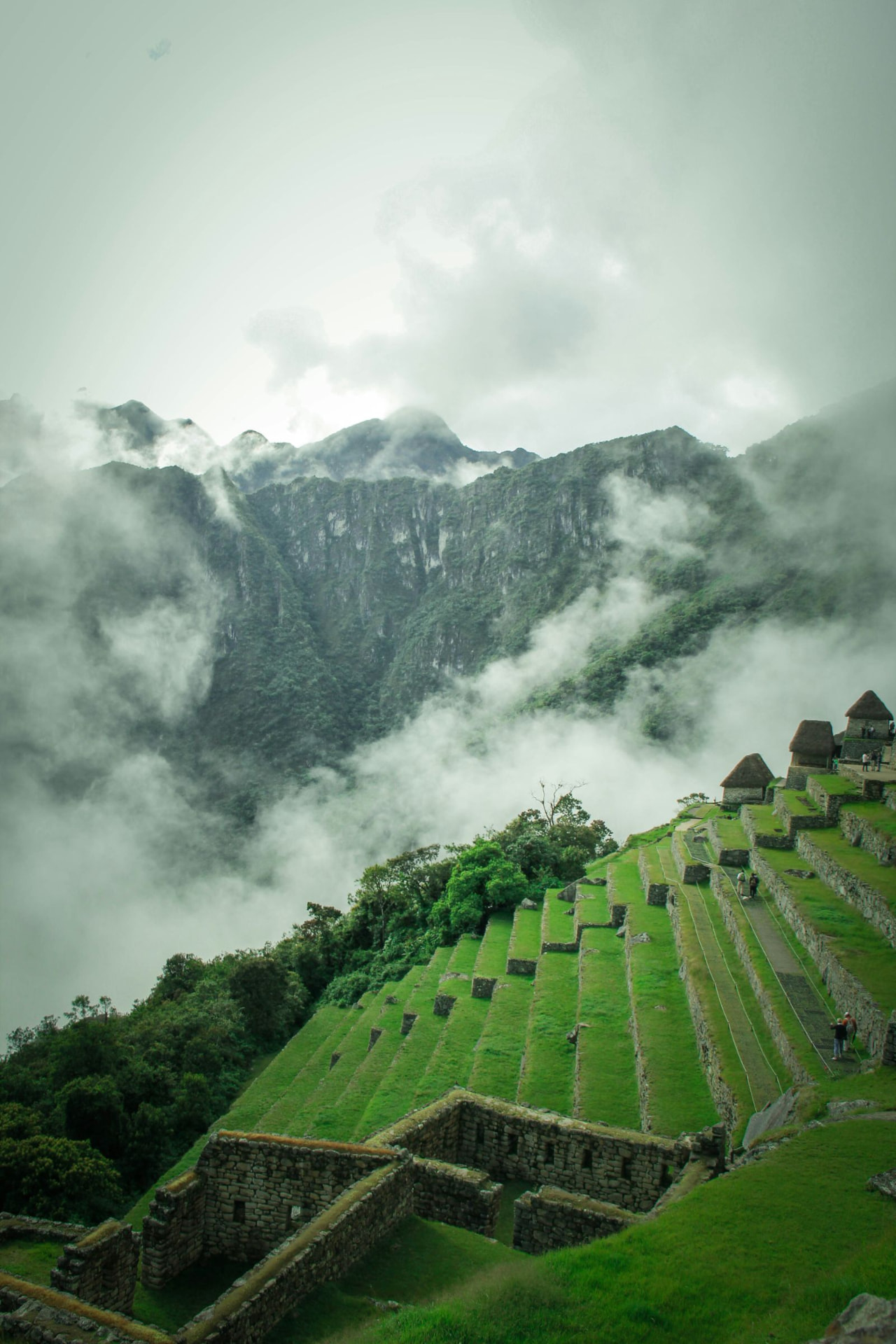
The Inca built an empire here, and their stonework still holds: terraces carved into hillsides, temples fitted without mortar, a citadel on a ridge the world now knows as Machu Picchu. But the deeper story isn't in the ruins. Long after the empire fell, Andean families kept speaking Quechua, farming the high valleys and making offerings to the mountains. They still do.
What would change if the land around you were someone, not something?
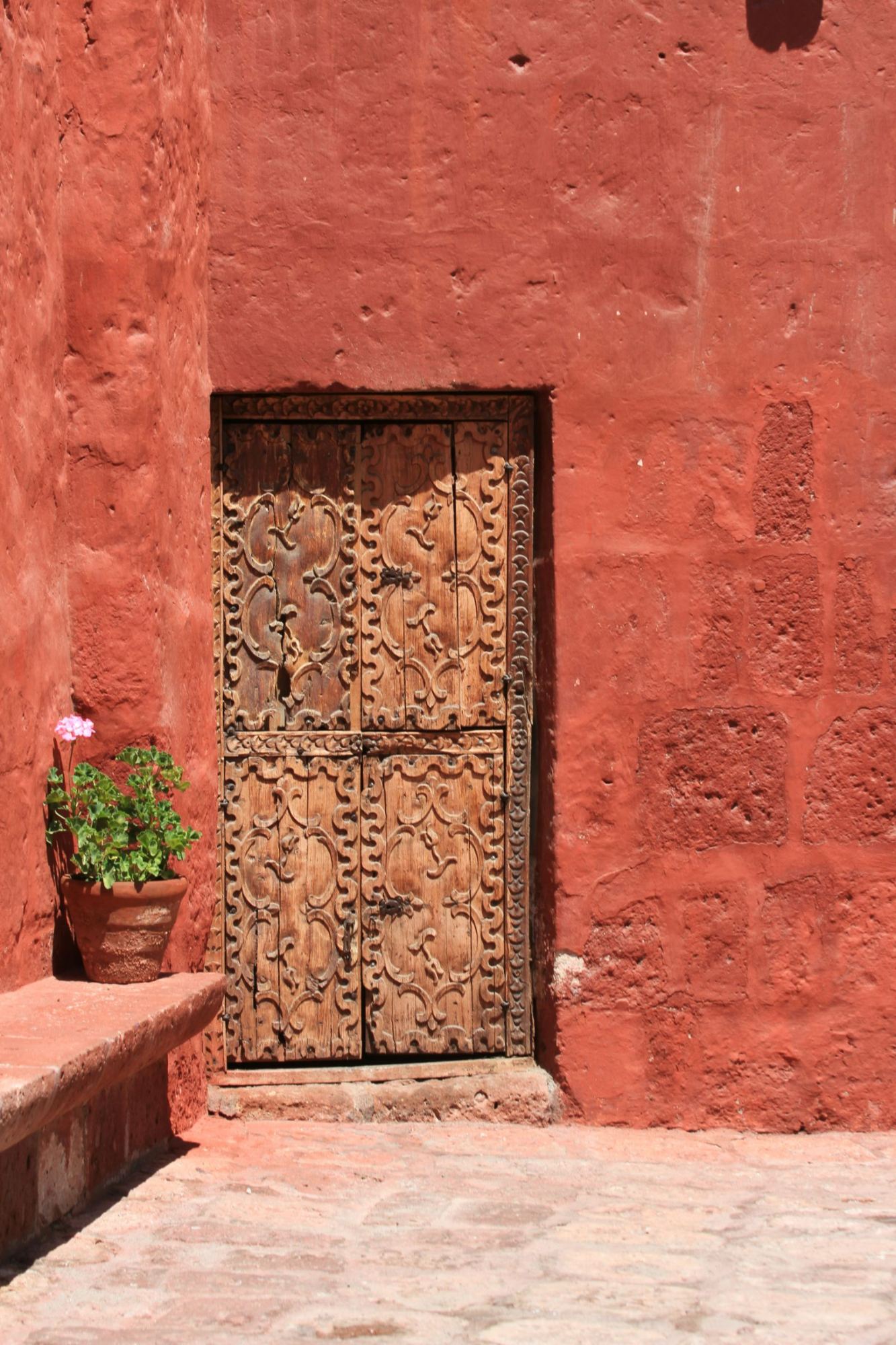
The Door
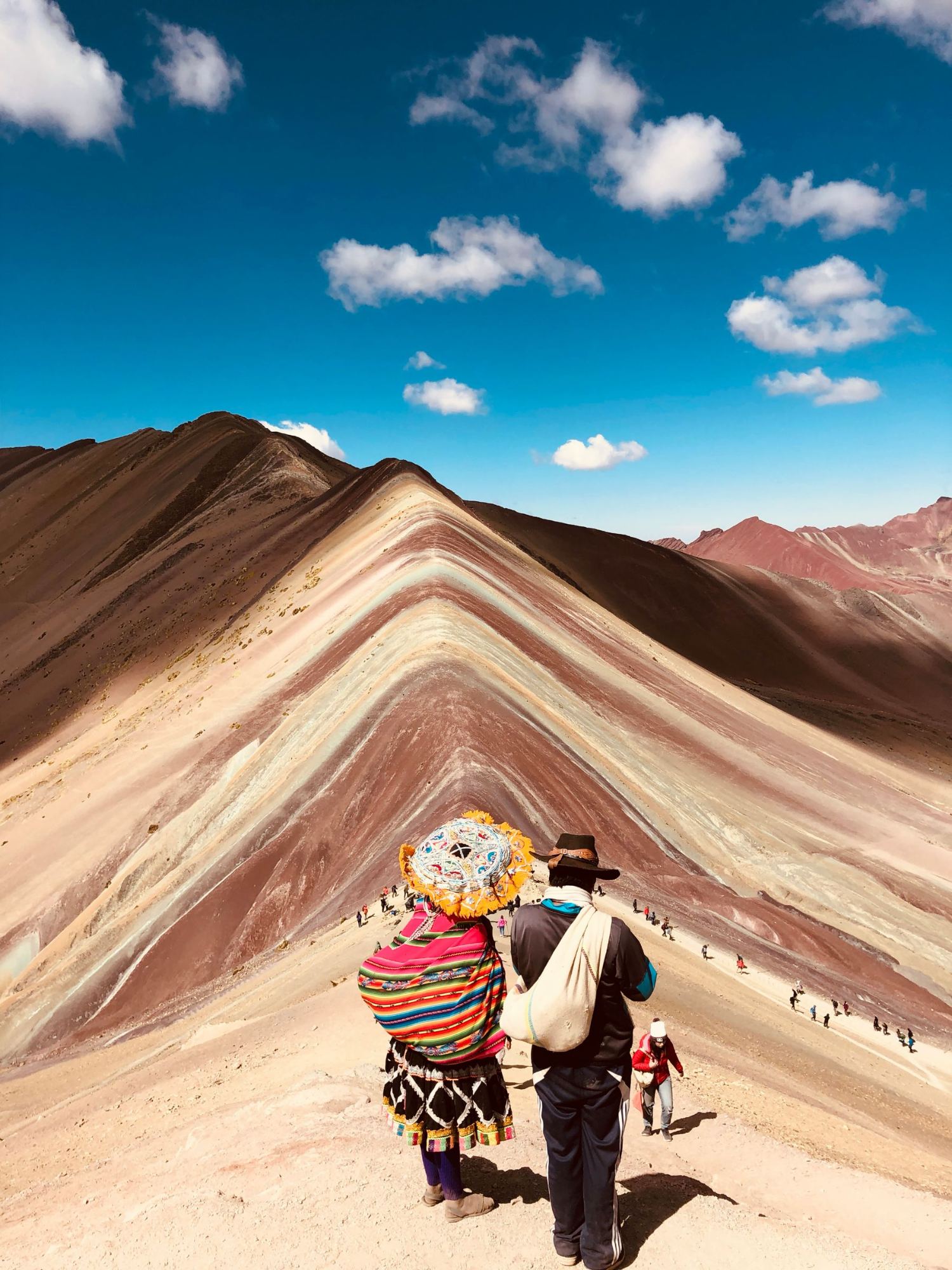
Most people come to Peru for Machu Picchu. They take the bus up from town, see the citadel, eat beautifully in Cusco and fly home. Very few are welcomed onto the mountains around it by the people who guard them.
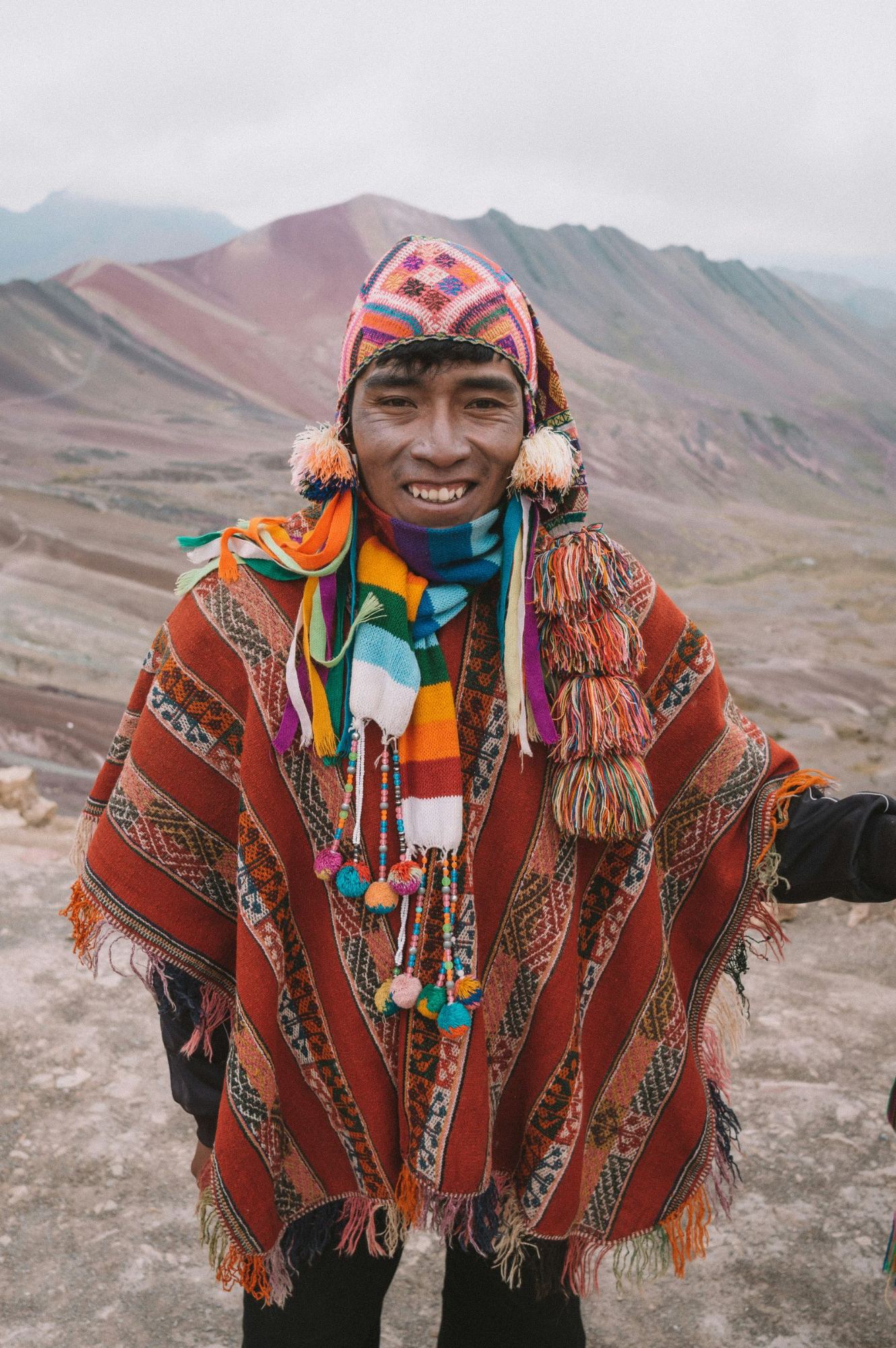
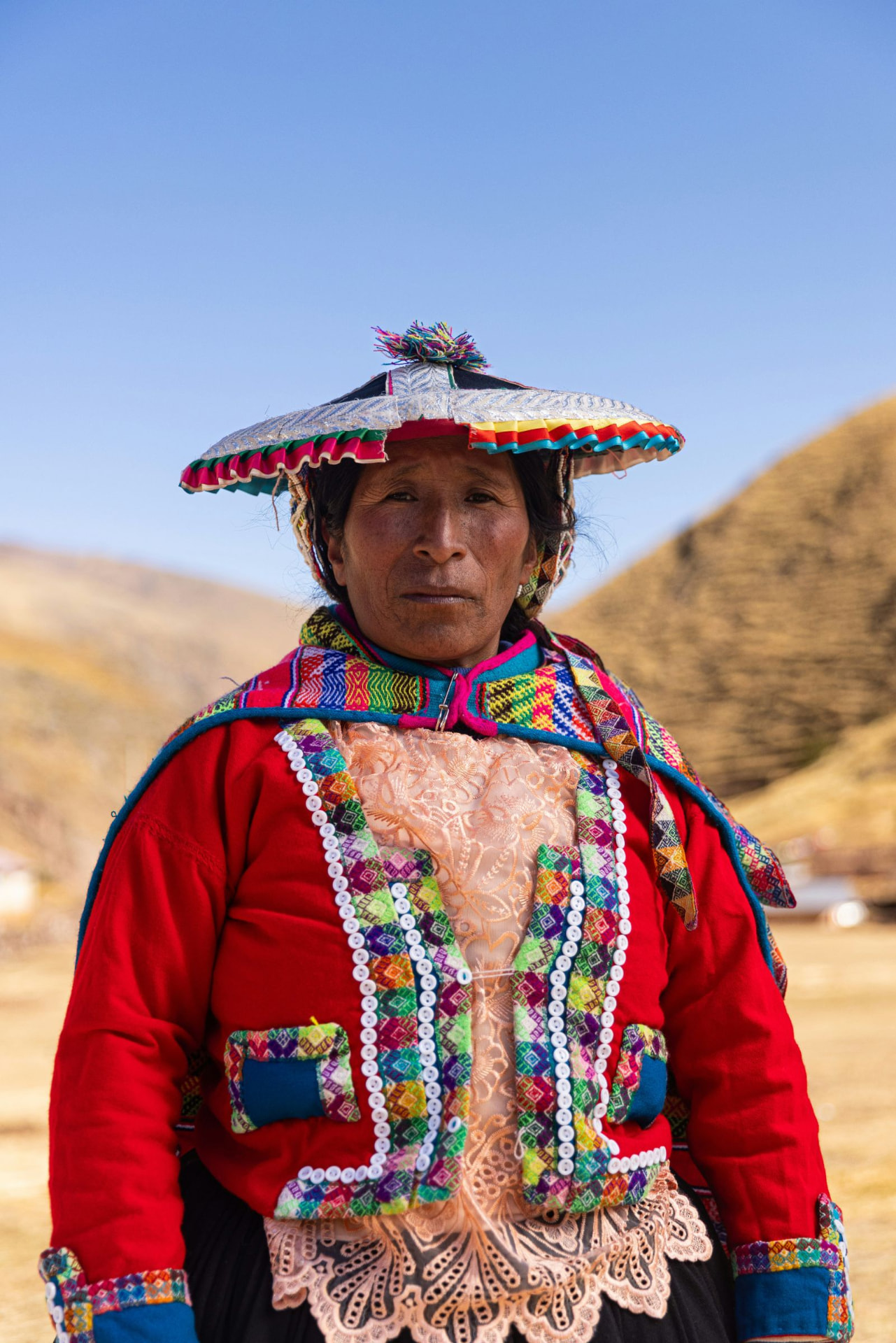
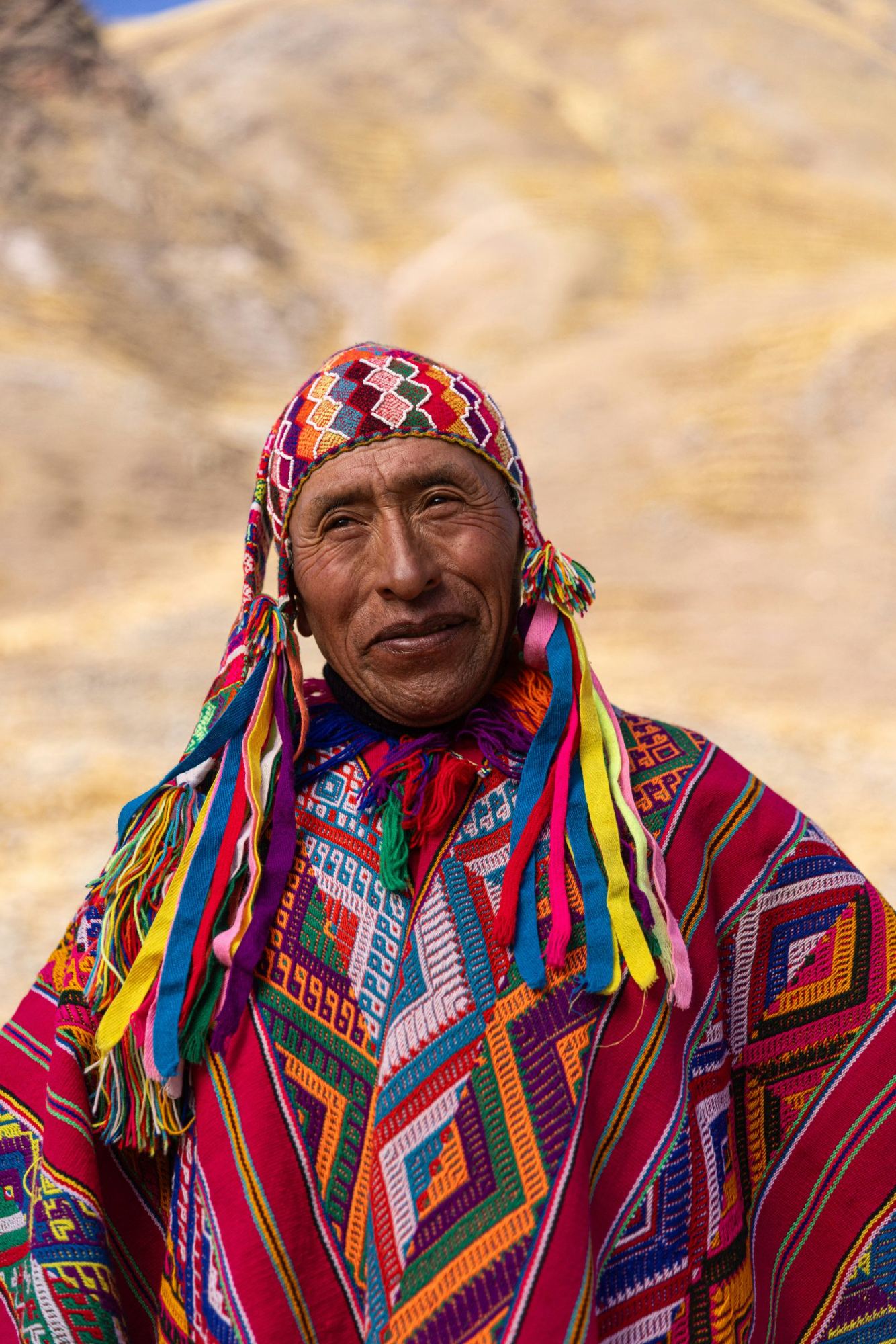
Abroad's relationships here make that possible. Antonella Velasquez Villacorta, Abroad's lead wisdom faculty in Peru, has spent years bridging Andean tradition and the people who come to learn from it. Alongside her are Raul and Justino, Andean wisdom keepers who lead our ceremonies, and the guardians of the sacred mountains we sleep on, people whose families have held these roles for generations. They decide what can be shared, and when.
Some of the best moments don't happen at a temple. They happen on a long drive into the mountains, sitting next to Raul, talking about your life. He has a phrase for what it means to love yourself: esta vida es para mí, this life is for me. Not selfishly. Live your own life fully, so you can give it in service.
Everyone sees Machu Picchu. Few are invited onto the mountains.
Ayni
Andean tradition describes the world in three layers. Hanan Pacha is the upper world, of the Apus, the sun and the sky. Kay Pacha is this world, the one we walk in. Ukhu Pacha is the world below, of ancestors, seeds and what is waiting to be born. A wisdom keeper moves between them, and part of what you learn here is how to notice all three.
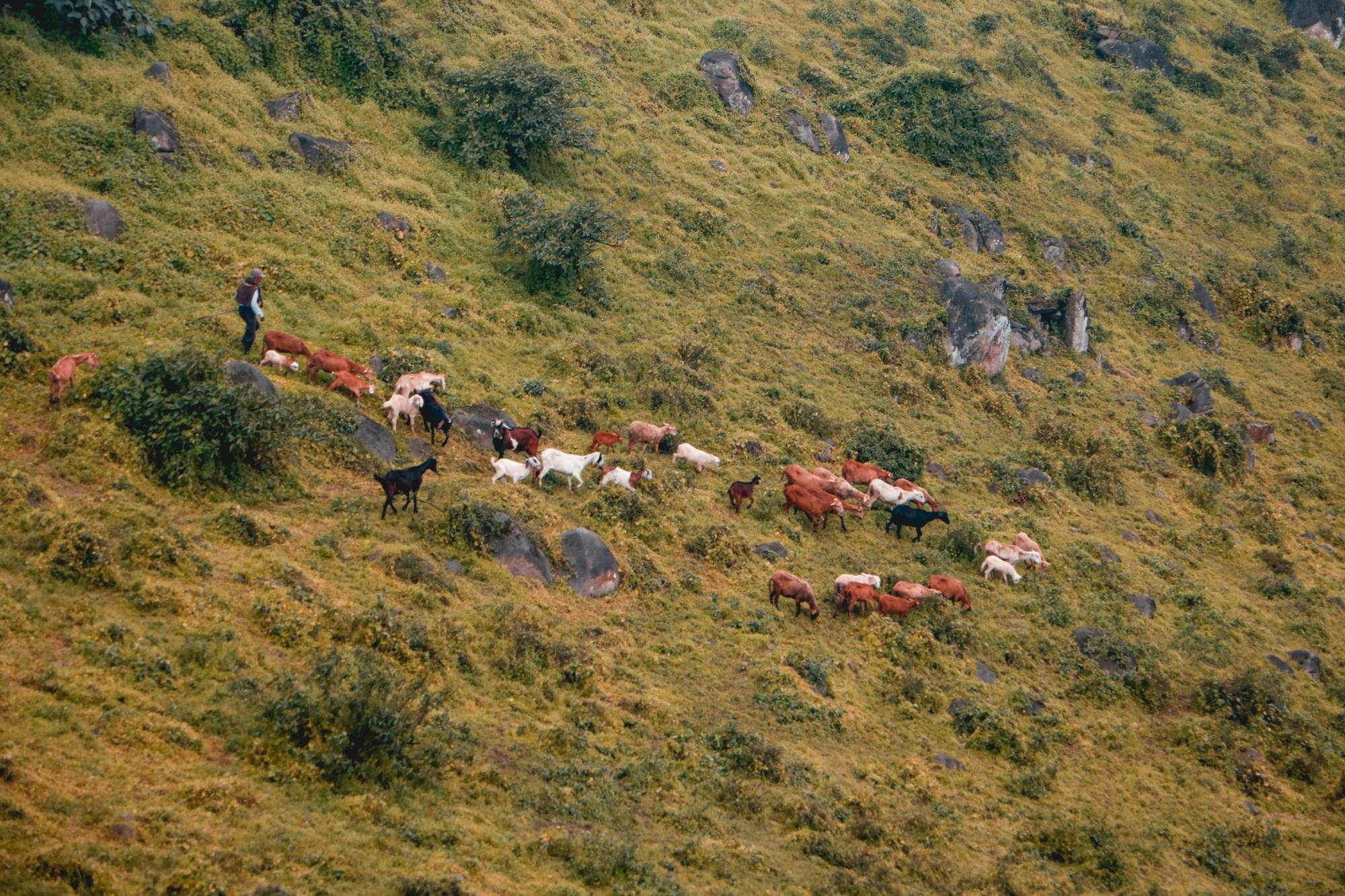
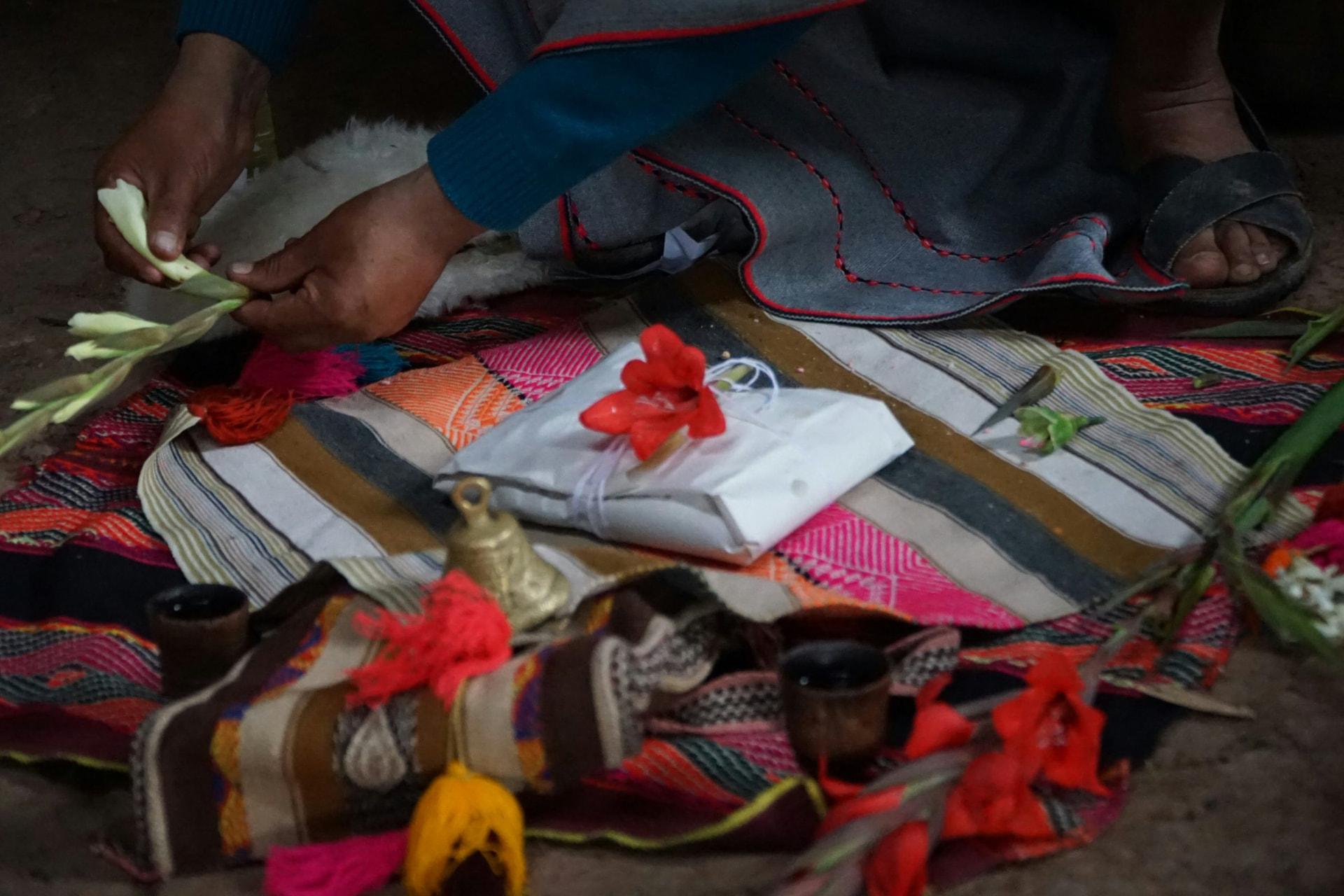
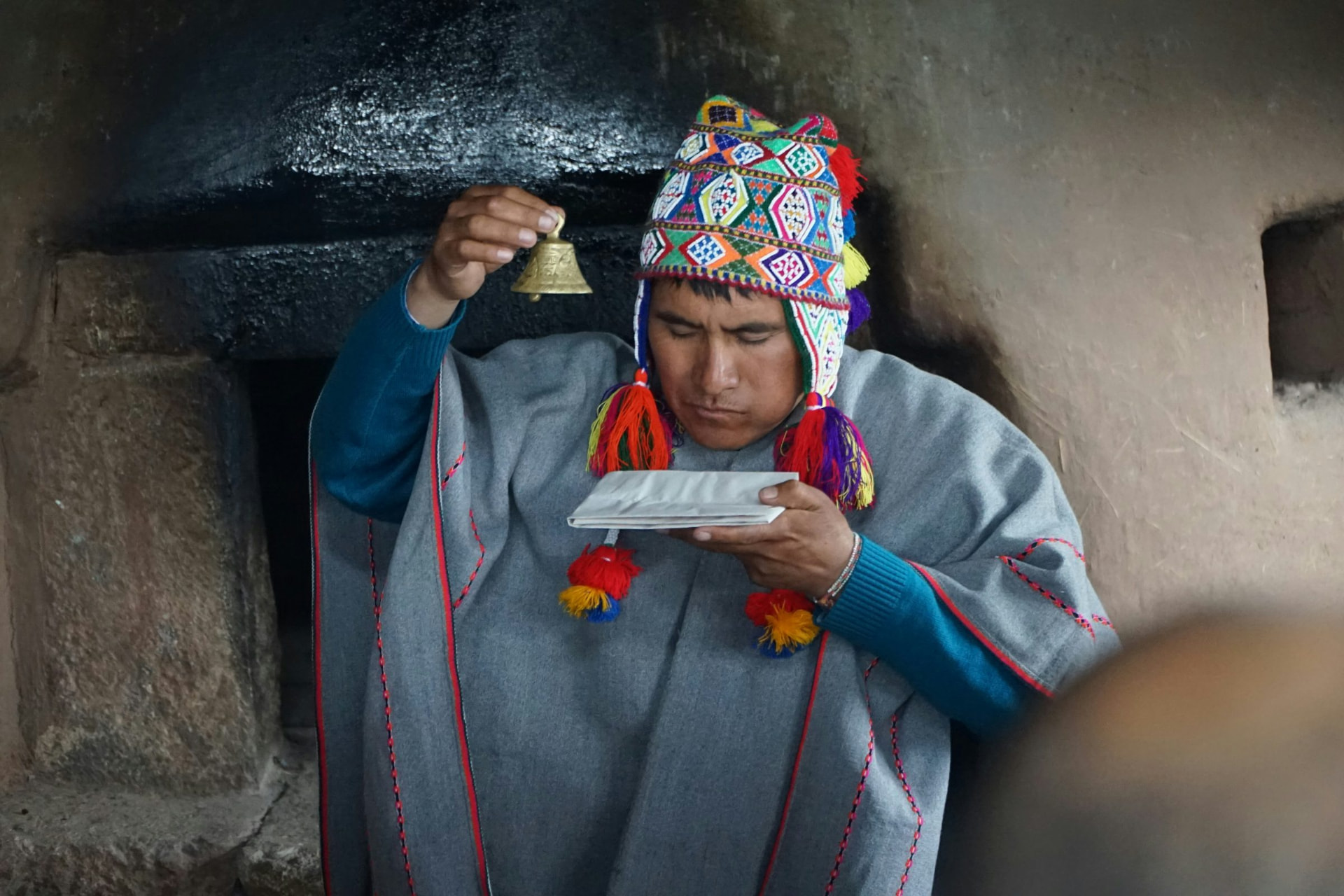
What holds it together is ayni. Antonella describes it as the law of reciprocity at the heart of Andean life: what is given is returned, between people, between communities, and between people and the land. You see it in the despacho, an offering in which flowers, seeds, coca leaves and sweets are folded into a bundle as a gift for Pachamama and the Apus. You see it in the high villages, where neighbors still help raise each other's houses and work each other's fields, knowing the help will come back around.
Spend a little time with it, and reciprocity starts to feel less like a trade and more like a recognition: what you give to the world, you give to yourself.
What would your business look like if it ran on reciprocity?
The Sacred Valley
We begin where the Andes open into the Sacred Valley, with an offering. On the first night, the wisdom keepers lay out a despacho and show us how it's made, and the pilgrimage opens with a gift.
The next morning, we climb to Pumamarca, a quiet Inca site of stone terraces high above the valley, far from the crowds, for a blessing from the people who tend it. Then we walk back down through the valley on old footpaths.
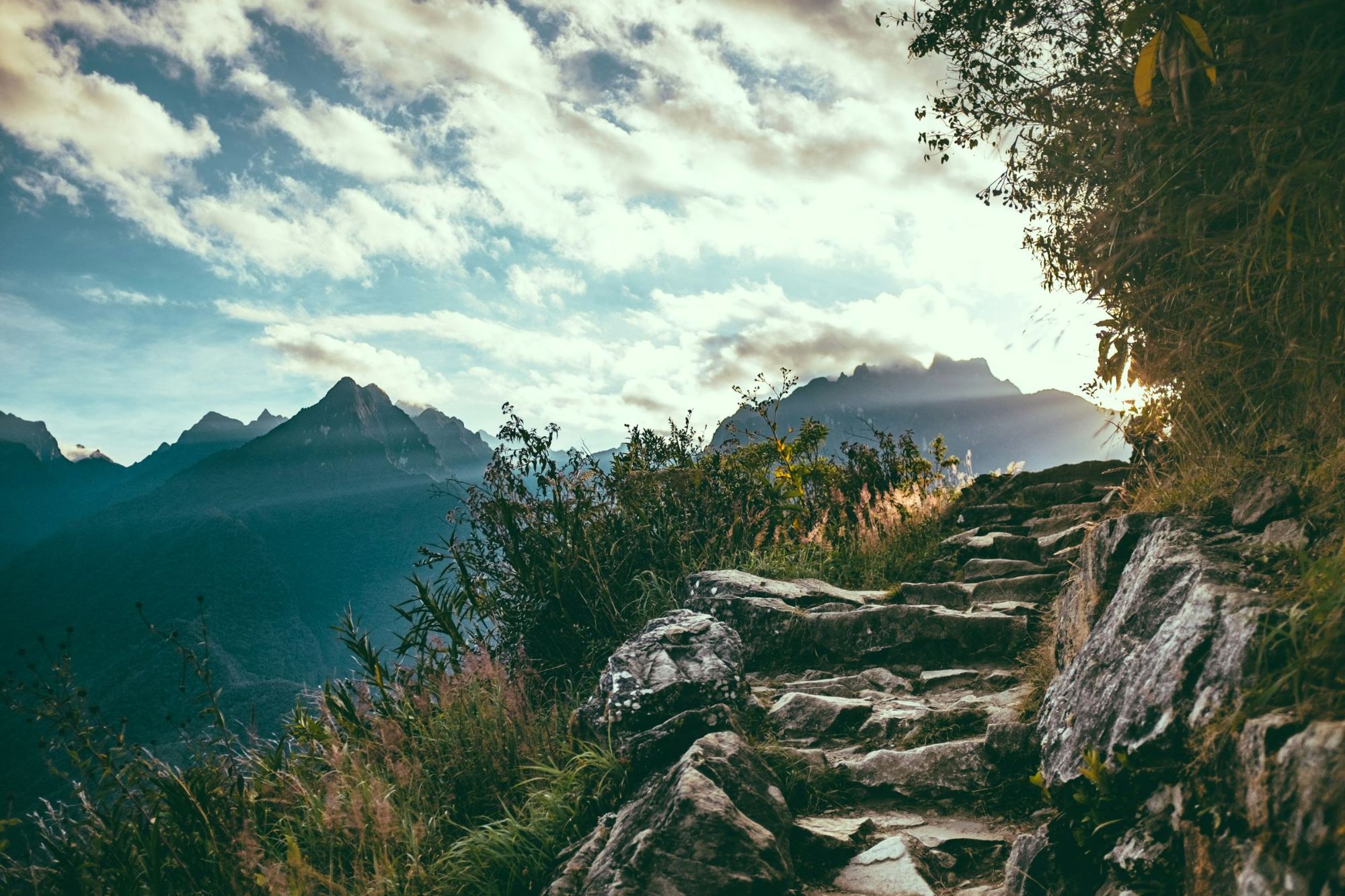
From there, we reach Machu Picchu the old way. Instead of the bus from town, the group walks the final stretch of the Inca Trail and arrives at the Sun Gate, where the citadel appears for the first time below. We sleep at the foot of the mountain and go back up the next morning, before the train carries us through the gorge to Cusco.
Sleeping on the Mountain
Above Cusco rises Pachatusan, a mountain whose name is often translated as "the pillar of the world." Most visitors see it only through a bus window. We go to meet its guardian.
He is a maestro whose life is bound to this mountain: he tends its ceremonies, makes its offerings and decides who may climb it in the spirit it asks for. At its base, he receives the group with a ritual, an offering to the Apu before anyone sets foot on the trail. Then we go up, and we stay.
For two days, the group lives on the mountain. Camp is pitched high on its slopes, with Cusco's valley spread out below. In the evening, there's time to sit with the maestro and hear how he understands his role and what the mountain has taught him. Before dawn, there's an early climb toward the summit, and meditation as the first light comes over the ridges and reaches the valley floor.
Plenty of people climb mountains in Peru. Very few are invited to sleep on one by the person who keeps it.
Afterward, a day of rest in a quiet valley, to sleep, eat well and let it settle.
Dawn at Ausangate
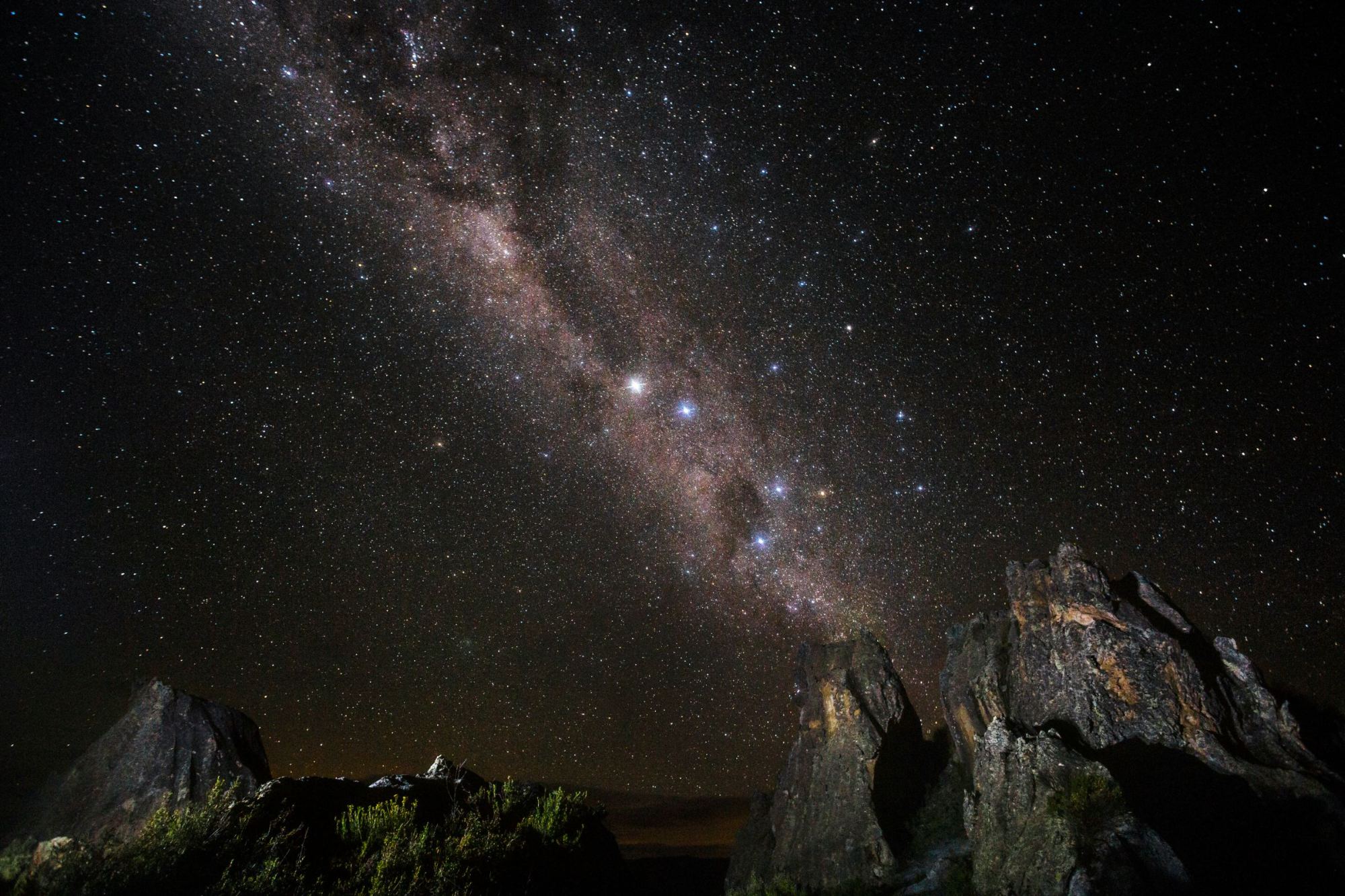
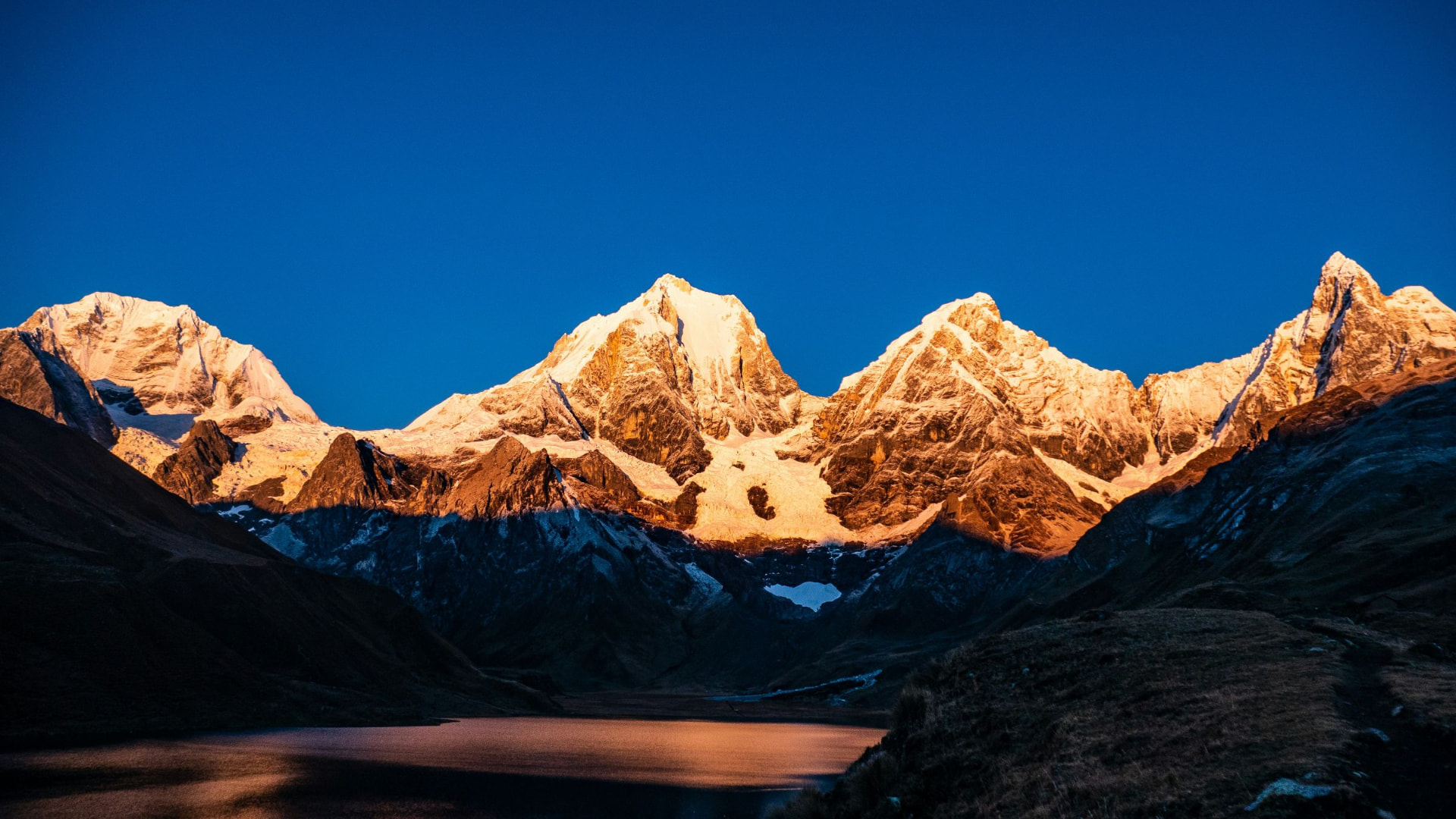
The pilgrimage ends at Ausangate, at more than 6,000 meters the highest mountain in the Cusco region and, for Andean people, among the most sacred of all the Apus. Every year, tens of thousands of pilgrims climb toward the glaciers nearby for Qoyllur Rit'i, a festival that has drawn people to this mountain for centuries.
A three-hour trek brings the group to a small lodge high in the mountains, and to the family who guard Ausangate, part of a lineage that has kept this role for generations. Weather at this altitude changes fast, and the day is paced around it. At dawn, we walk to a high lake below the glaciers for a final ceremony, with the mountain above us. Then comes the long descent back to Cusco.
Along the way, there is daily breathwork, sessions with Abroad faculty, and evenings in a circle that leave room for whatever the mountains stirred.
A professional photographer walks with the group, so the pictures are taken care of and your eyes can stay on the peaks.
The Details
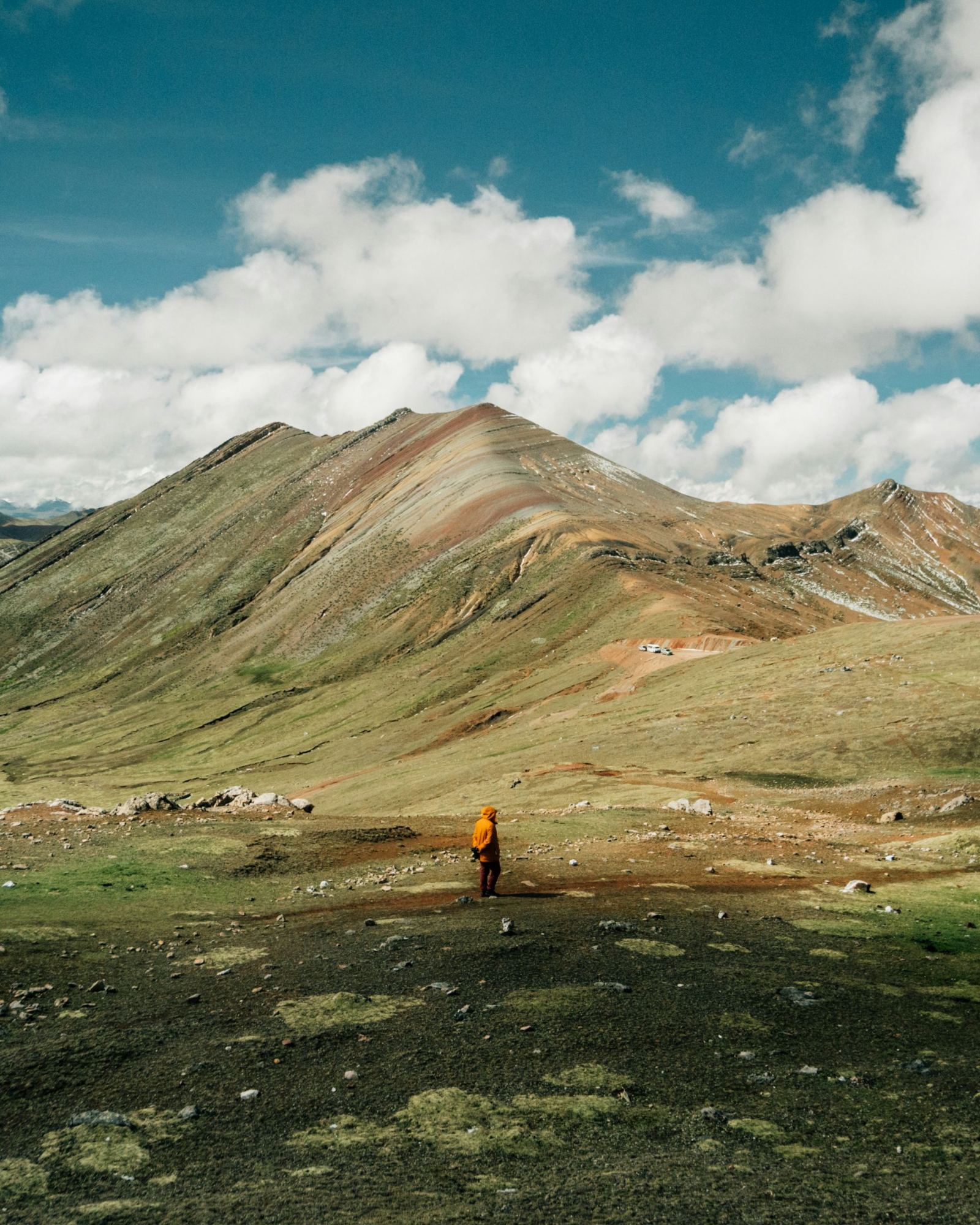
The Andes ask something of you. Cusco sits at about 3,400 meters, and the pilgrimage climbs far higher, with days of trekking, two nights camping on a mountain and cold nights at altitude. Abroad and our on-the-ground experts take care of everything around that, from the first airport pickup to the gear at camp, with time built in to adjust to the altitude and the days paced around the weather, so your attention can stay on the mountains and the people who keep them.
You stay in premium boutique hotels in the Sacred Valley and Cusco, a small lodge near Ausangate and well-equipped mountain camps. Peruvian food is part of the reason to come, and we eat at places that do it justice. You travel with wisdom keepers and a local team chosen for this kind of journey. Groups are small and thoughtfully composed. Before you go, you'll be prepared for the altitude, the trails and the ceremonies, and when you come home there's space to make sense of it.
This is a pilgrimage, and a physical one. Expect early starts, steep trails, high altitude and simple nights on the mountain between the comfortable ones. It's meant to ask something of you.
Giving Back
In Peru, the relationship came first, and the giving followed. Abroad's community has helped restore sacred land where despacho ceremonies have been offered for generations, and funded eye care that restored sight for 40 people in Andean communities.
This pilgrimage carries that relationship forward. Part of what you invest goes directly to the wisdom keepers and mountain guardians who welcome you, so being there helps keep these ceremonies, and the people who carry them, going. Here, they call it ayni.
Access creates responsibility. The relationship doesn't end when the trip does.
Go to Peru with Abroad
Peru Pilgrimages run in the dry season, when the mountain trails are at their best. Each has its own itinerary, hosts and character.